
Allston’s real advantage for weekend trips isn’t the neighborhood itself; it’s the position. You’re minutes from the Massachusetts Turnpike, close to Storrow Drive and Soldiers Field Road, and a train ride from both North Station and South Station. That combination puts colonial harbor towns, some of New England’s best beaches, two other states and a mountain range inside a day’s round trip.
Below are 12 trips, ordered by distance, with approximate driving times from Allston and an honest note on which ones deserve an overnight instead. Drive times assume reasonable traffic. Summer Friday afternoons and Cape Cod bridge traffic can double several of them.
Under an Hour
Walden Pond, Concord (about 30 minutes)
The pond where Henry David Thoreau spent two years and wrote Walden is now a state reservation with a swimming beach, a walking loop of about 1.7 miles around the water and a replica of his house. It’s the easiest real escape from the city, and in summer the lot fills early enough that arriving before 9 a.m. is the difference between a good morning and a wasted drive, since the state closes it once the park reaches capacity. Daily parking is charged year-round: $8 for a Massachusetts-plated vehicle and $30 for one registered out of state.
Concord itself is worth adding on. The town center, the Old North Bridge and the authors’ houses make a full day if you want history rather than a swim.
Salem (about 30 to 40 minutes)
Salem is one of the most popular day trips from Boston and among the easiest by train: the commuter rail takes about 30 minutes from North Station. The witch trial history is the draw, along with the Peabody Essex Museum, the waterfront and a walkable historic center.
The honest caveat is October. Salem in the run-up to Halloween is extremely busy, with heavy traffic and long lines at the main attractions. It’s still fun, but go in spring or early fall if you want to see the town rather than a crowd.
Crane Beach, Ipswich (about 45 to 55 minutes)
Crane Beach is a long stretch of white sand backed by dunes, with 5.5 miles of trails on the Crane Estate running through the dunes and a pitch pine forest. It’s a real beach day rather than a sightseeing trip.
Two practical notes. The Trustees require advance parking passes on weekends, and the beach regularly reaches capacity on hot days. And greenhead flies make July into early August unpleasant in a way few guides warn you about clearly enough.
Plymouth (about 50 minutes)
Plymouth Rock is famously underwhelming, a smaller stone under a portico than anyone expects. The reason to make the trip is Plimoth Patuxet, the living history museum that presents both a 17th-century English village and the Wampanoag Homesite with interpreters. It’s one of the better historical experiences in New England, it takes most of a day, and it’s open daily from 9 a.m. to 5 p.m. through the Sunday after Thanksgiving before closing for the season.
About an Hour to Two Hours
Gloucester and Rockport, Cape Ann (about 50 to 60 minutes)
Cape Ann is the coastline trip. Gloucester is a working fishing port with a real harbor and a serious maritime history. Rockport, just beyond it, is the picture-postcard version: art galleries, a harbor lined with shops, ice cream and Motif No. 1, the red fishing shack often called the most painted building in America. The one standing today is a replica, built after the original was lost in the Blizzard of 1978.
Halibut Point State Park at the tip is the highlight for walkers, with a granite quarry, tide pools and open ocean views. Doing both towns comfortably in one day is possible but tight, so pick one as the anchor.
Portsmouth, New Hampshire (about 1 hour)
About an hour north on I-95, Portsmouth punches far above its size. It’s a compact colonial seaport with a strong restaurant scene, independent shops, a working waterfront and Strawbery Banke, a nearly 10-acre living history museum of historic houses on their original sites. It’s one of the best small-city day trips from Boston, and it needs no plan beyond parking and walking.
Providence, Rhode Island (about 1 hour, or about 35 minutes on Amtrak)
Providence is the trip to take by train. Amtrak’s Acela covers it from South Station in about 35 minutes, while the MBTA commuter rail takes over an hour. Either way, it drops you in a walkable center. Brown University’s campus and the historic houses on Benefit Street are the architectural draw, and the food scene is the real reason to go.
If your visit falls on a WaterFire night, when braziers are lit along the rivers through downtown, stay for the evening. Full lightings run from late spring into November, roughly once or twice a month, so check the schedule before you fix a date. It’s the best thing Providence does.
Old Sturbridge Village (about 1 hour 15 minutes)
A re-created rural New England town of the 1830s on 240 acres, staffed by costumed interpreters working the farm, the mills and the trades. It’s the strongest option on this list for families with school-age children, and it’s a full day rather than a stop. Check the season’s hours before driving out, since the schedule shortens after the summer and thins considerably in winter.
Newport, Rhode Island (about 1 hour 20 minutes)
Newport is the Gilded Age mansion trip. The Breakers and the other Bellevue Avenue houses are the headline, and the Cliff Walk, a 3.5-mile path between the mansion lawns and the Atlantic, is the part people remember. Know before you go that the section between Narragansett Avenue and Webster Street is closed for the foreseeable future, so plan to walk it in pieces. Add the harbor and the sailing scene and it fills a day easily.
Summer weekends are heavily booked and parking is difficult. Going midweek transforms it.
Worth an Overnight Instead
The last three are all technically drivable in a day. All three are better if you stay.
Cape Cod (about 1 hour 15 minutes to over 2 hours)
The upper Cape towns like Sandwich are reachable in a bit over an hour. Anything farther out, and particularly Provincetown at the tip, is a long enough drive that a day trip becomes mostly driving. Summer traffic at the bridges is severe and unpredictable.
Take a day trip to the upper Cape. For the outer Cape and the National Seashore beaches, book a night.
Martha’s Vineyard (about 1 hour 30 minutes plus a 45-minute ferry)
The drive to Woods Hole plus the 45-minute Steamship Authority crossing makes this a long day with a hard deadline on the return sailing, which is a stressful way to see an island. Bringing a car needs a vehicle reservation, so if you go for the day, walk on and stick to the towns near the ferry landings. If you want the beaches and the rest of the island, stay over and rent bicycles.
The White Mountains, New Hampshire (about 2 hours 30 minutes)
Franconia Notch, the Kancamagus Highway and Mount Washington are all reachable in a day, but you’ll spend 5 hours in the car to do it. In peak foliage season, which usually runs from the end of September through the second week of October, add substantially more for traffic.
This is the trip that most clearly rewards an overnight. Go up on a Saturday morning, hike, stay locally and drive back Sunday.
Getting Out of Allston
A few practical notes specific to leaving from here.
The Massachusetts Turnpike is the fastest route west, and it’s close; it also connects to I-95 for the drives south to Providence and Newport. For anything north, including Salem, Cape Ann, Portsmouth and the mountains, you’ll either cross the city or loop out on I-95, and leaving before 8 a.m. on a weekend morning saves real time.
For the train trips, Providence trains leave from South Station, and the Boston Landing commuter rail station on the Framingham/Worcester Line runs straight there from Allston. Salem trains leave from North Station, a Green Line ride with a change. Going by train removes the parking problem entirely, which at Salem in the fall is worth more than the time saved driving.
If you don’t own a car, several of these trips are better by rail anyway. Our guide to things to do in Allston covers the days you stay put, and the best time to visit Allston guide covers seasonal timing.
Storing the Gear These Trips Require
Day-tripping from Boston means owning a lot of seasonal equipment, and Allston apartments have nowhere to put it. Beach chairs, coolers and umbrellas for Crane Beach. Hiking boots, packs and cold-weather layers for the White Mountains. Skis and snowboards from December through March. Bicycles for the Vineyard. Almost none of it gets used more than a few months a year, and all of it takes up space the rest of the time.
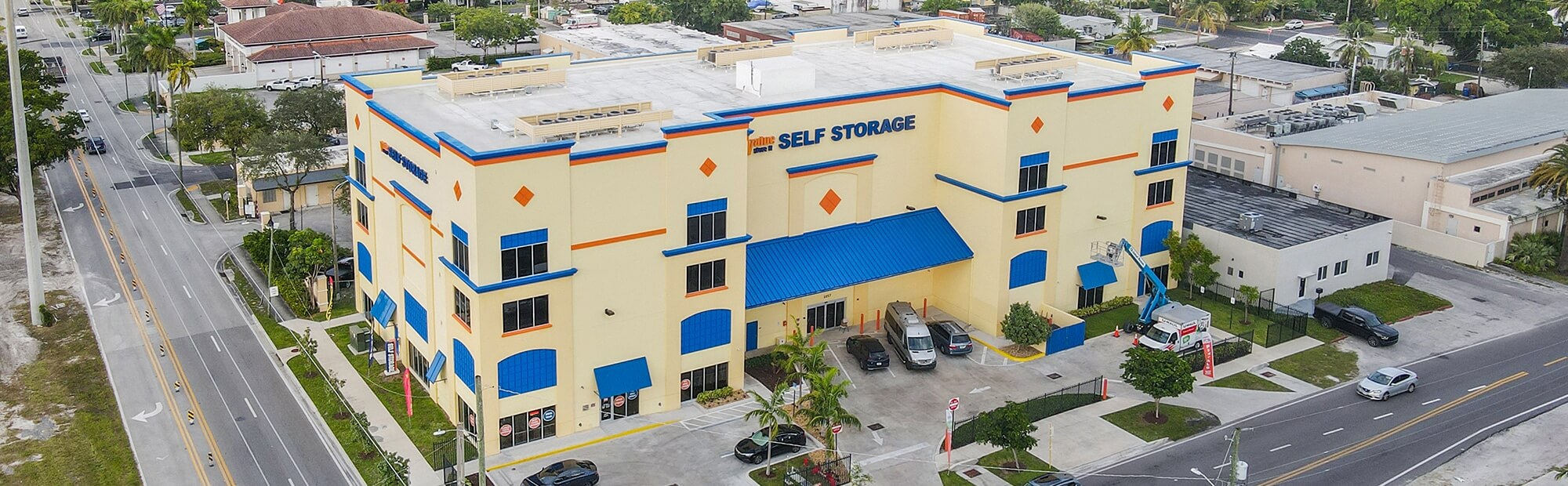
Value Store It’s Allston facility is close to the neighborhood and rents month-to-month, so a unit can cover a season rather than a year. A 5×5 unit, about the size of a small closet, is built for boxes and seasonal gear like skis, camping equipment and off-season clothing. A 5×10, roughly a small walk-in closet, holds the contents of one room, which leaves space for bicycles alongside the rest.
For households with more to store, a 10×10 takes a one-bedroom apartment, a 10×15 fits a two-bedroom apartment, and a 10×20 holds a three-bedroom home. Climate-controlled units are the sensible choice for anything with electronics, leather or wood in it, given how far Boston swings between July humidity and January cold.
Two options matter specifically for trips like these. Car storage is useful if you keep a vehicle mainly for weekends and street parking near your apartment is a daily fight. And boat storage covers anything that comes off the water at the end of the New England season.
Frequently Asked Questions
What are the best day trips from Boston without a car?
Salem is about 30 minutes by commuter rail from North Station, and Providence is about 35 minutes from South Station on Amtrak’s Acela. Both drop you in walkable centers that need no car at the other end. Rockport is also reachable by commuter rail on the Newburyport/Rockport Line. For Crane Beach, New Hampshire or the White Mountains, you’ll need a vehicle or a tour.
What’s the closest day trip to Allston?
Walden Pond in Concord, at roughly 30 minutes, is the closest real escape from the city, with swimming, a walking loop and the site of Thoreau’s house. Salem is a similar distance and offers a full town rather than a reservation. Both are comfortable half-day trips if you don’t want to commit a full Saturday.
Which day trips from Boston are best in winter?
Salem, Providence and Portsmouth all work in winter, since the attractions are largely indoors or walkable in a compact center, and Strawbery Banke floods its Puddle Dock for an outdoor skating rink through the winter. Old Sturbridge Village cuts back its schedule sharply in winter, so check before driving. The White Mountains shift from hiking to skiing. Beach trips to Crane Beach and Cape Ann are best left until late spring.
How far is Cape Cod from Allston?
The upper Cape around Sandwich is roughly 1 hour and 15 minutes without traffic. Provincetown at the outer tip is over 2 hours, and summer weekend traffic at the Sagamore and Bourne bridges can add an hour or more in each direction. The upper Cape works as a day trip; the outer Cape is much better as an overnight.
What’s the best day trip from Boston for families?
Old Sturbridge Village and Plimoth Patuxet are the two strongest, since both are living history sites with interpreters and plenty of room to move around. Crane Beach is the best warm-weather option, and Walden Pond is the easiest short trip. For younger children, our guide to things to do in Allston with kids covers closer options.
Planning the Trip
The pattern that works from Allston is simple. Leave early, especially heading north or toward the coast in summer. Take the train where the train goes, since Salem and Providence are both better without a car. And be realistic about the last three: Cape Cod’s outer towns, Martha’s Vineyard and the White Mountains all repay a night away far more than a long day of driving.
Everything else on this list is a real day out, and most of it’s closer than people living in Boston tend to assume.