
The best time to visit Allston is late September through early November. The weather’s at its most comfortable, the universities are back so the music venues and restaurants are running at full strength, and you’ve missed the September 1 chaos that makes the start of the month genuinely difficult.
Allston is different from the rest of Boston in one important way: it runs on an academic calendar rather than a tourist one. Most Boston neighborhoods are busiest in summer. Allston is quietest then, because the students who fill it are somewhere else. Understanding that inversion is the key to timing a visit here.
The Academic Calendar Governs Everything
Allston sits between Boston University and Harvard’s growing Allston campus, where the Enterprise Research Campus on Western Avenue opened in June 2026. The neighborhood’s population turns over with the school year, and that shapes almost every practical decision.
During term, roughly September through April, the restaurants are full, the music venues book shows most nights, and the neighborhood feels like itself. It’s also busier and louder, and getting a table takes longer.
Over the summer, roughly May through August, a large share of residents leave. Some kitchens trim hours, the bars are noticeably quieter, and the small rooms on Harvard Avenue that have a line out the door in October will usually seat you right away in July. Most of them don’t take reservations, so that difference is the whole story.
Which of those you prefer depends on what you want. For live music and the full neighborhood experience, come during term. For a relaxed visit with short waits, come in summer.
Fall: The Best Overall Window
Late September to early November is the answer for most visitors.
The weather is New England at its best, with clear days, mild temperatures and the foliage that draws people to the region. October in Boston averages about 54°F, according to Meet Boston’s weather guide. Students are back, so the venues are booking and the restaurants are running full service. The September move-in scramble is over. And because Allston isn’t a leaf-peeping destination in its own right, you get the good weather without the crowds that fill the towns north and west of the city.
It’s also the busiest and most expensive stretch for hotels, so book early. October is the single strongest month, with one caveat: if you plan to pair Allston with a day trip to Salem, Salem’s Haunted Happenings season draws more than a million visitors, and the town is packed all month. Our day trips from Allston guide covers the alternatives.
Winter: Cheap, Cold and Surprisingly Good for Music
December through March brings the least comfortable weather and the best value.
Boston winters are cold, with snow, ice underfoot and short days. January is the coldest month, averaging about 29°F, and December through February average 29°F to 35°F (Meet Boston). Anyone arriving from a warmer climate needs proper boots and a serious coat, not a fashion one. Walking the Charles River paths, one of the neighborhood’s best free activities, becomes a lot less pleasant.
The compensations are real. Hotel rates in midwinter, outside the holidays, are usually the lowest of the year. The indoor scene keeps going: Brighton Music Hall, Paradise Rock Club, O’Brien’s Pub and Roadrunner all book shows through the winter, and Boston University hockey at Agganis Arena makes a good night out. The Korean restaurants on Harvard Avenue are at their most appealing in February, when a bubbling bowl of soft tofu stew is exactly the right meal.
If your visit is about music, food and value rather than being outdoors, winter is a defensible choice.
Spring: Improving, but Late
April and May are unreliable early and genuinely lovely late.
April in Boston isn’t spring in the way people from milder climates expect. It averages about 48°F (Meet Boston) and can be cold, gray and wet well into the month. By mid-May, the city turns, the river paths fill and the patios open.
Two dates to plan around. Marathon Monday falls on Patriots’ Day, the third Monday in April; the next Boston Marathon is Monday, April 19, 2027. The course doesn’t run through Allston. It follows Beacon Street through Brookline to Kenmore Square, so what Allston gets is packed Green Line trains, road closures nearby and a citywide party. It’s a great day to be in Boston if you want that, and a difficult one if you’re trying to get anywhere.
Commencement weekends in May are the other spike. Boston University’s Commencement Weekend runs May 13 to 16, 2027, and Harvard Commencement is May 27, 2027. Hotel rates jump, restaurants fill up, and every family in the neighborhood is eating out at once. If you’re visiting for a graduation, this is unavoidable. If you aren’t, skip those weekends.
Summer: Quiet, Humid and the Season for the River
June through August is the neighborhood at its emptiest and the river at its best.
The heat is the main drawback. July is Boston’s warmest month, averaging about 74°F (Meet Boston), and July and August are both humid. Allston’s dense triple-deckers and asphalt hold the heat, and many older apartments have no central air, which matters if you’re staying somewhere other than a hotel.
Against that, summer is when the outdoor spaces come alive. The Riverstage amphitheater at Christian Herter Park, 1175 Soldiers Field Road, runs free and low-cost performances June through September, and the next season opens in June. Paddle Boston rents kayaks and paddleboards from its Allston/Brighton location on the Charles. The Artesani wading pool and spray deck is open from late May to mid-September, and Boston Landing has hosted free summer movie nights that require advance registration.
Summer is also the easiest time to eat well here. The restaurants that have a wait in October will seat you right away. Our Allston restaurant guide covers the strip, and the things to do in Allston guide covers the outdoor options in full.
The One Week to Avoid: September 1
This deserves its own warning, because nothing else in the Boston calendar works quite like it.
Most Allston apartment leases turn over on September 1. Much of the neighborhood moves on the same day. Locals call it Allston Christmas, and the streets fill with double-parked moving trucks, discarded furniture stacked on the sidewalks and thousands of students and their families arriving at once.
It’s a genuine spectacle and worth seeing once. It’s also the worst possible week to visit for any other purpose. Traffic is severe, parking is close to impossible, restaurants are full and hotel rates climb. If you have a choice, come any other week of the year. Our moving to Allston guide explains the lease cycle behind it.
Quick Month-by-Month Summary
The monthly averages below come from Meet Boston’s weather guide.
January (29°F) and February (31°F) are the coldest months and the cheapest. Plan an indoor trip: music rooms, hockey and Korean stews.
March (38°F) is still winter more often than it isn’t, and side streets stay slushy for days after a storm.
April (48°F) and May (58°F) improve steadily but start unreliably. Marathon Monday and the May commencement weekends are the dates to plan around.
June (68°F), July (74°F) and August (72°F) are warm and humid, and most of the student population is away. This is the river season and the easiest time to get a table.
September (65°F) is the hinge. Avoid the first week, then it turns into one of the best months of the year.
October (54°F) is the strongest month overall and the most expensive for hotels.
November (44°F) and December (35°F) go cold and dark, but the venues keep booking and rates start falling.
Packing for a Boston Visit
Layers, in every season. Boston weather turns quickly, and the difference between a sunny afternoon and an evening by the river can be substantial even in summer.
In winter, bring waterproof boots with grip. Sidewalks ice over, and side streets can stay slushy for days after a storm. In summer, bring something for humidity and remember that older buildings here often have no air conditioning. In spring and fall, a rain layer is more useful than a heavy coat.
Storing a Boston Wardrobe
Anyone who lives through a full year in Allston runs into the same problem: this climate asks for two complete wardrobes. Heavy coats, boots, thermal layers and winter bedding for December through March, and an entirely different set for a humid August. Add the seasonal equipment that goes with each, from skis to beach chairs, and a triple-decker apartment with two small closets simply can’t hold it.
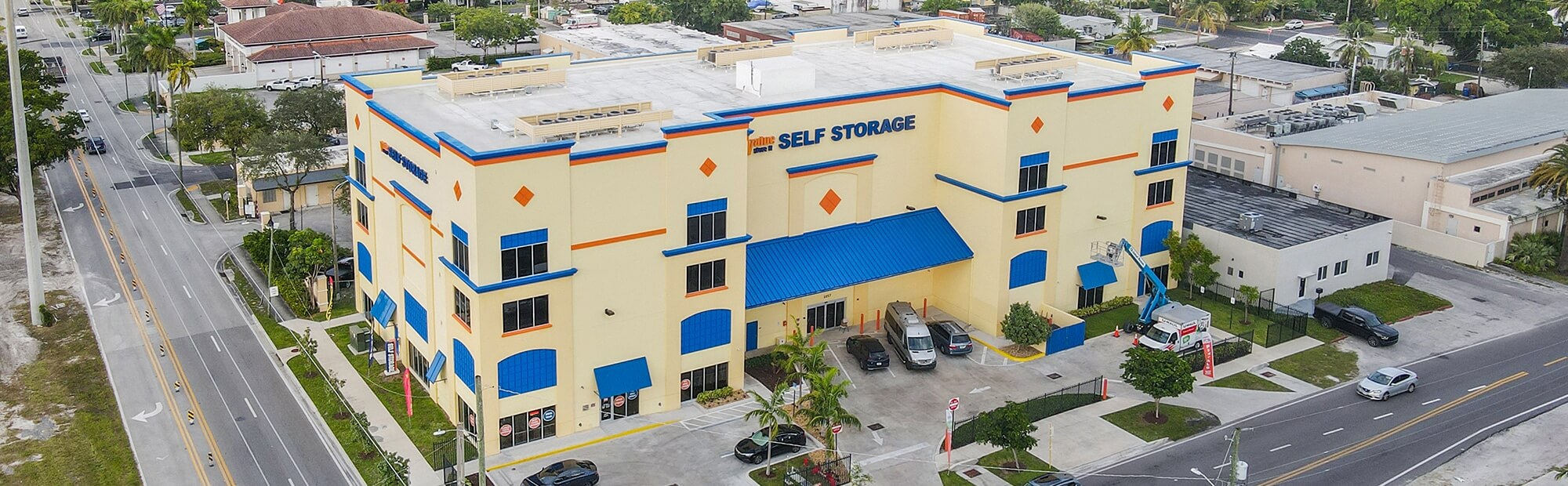
Value Store It’s Allston facility rents month-to-month, which makes a seasonal swap practical rather than a long-term commitment. A 5×5 unit, about the size of a small closet, handles an off-season wardrobe, boots, bedding and holiday decorations. A 5×10, a small walk-in closet’s worth of space, holds the contents of one room, with space for skis, bicycles and camping gear.
For a whole apartment, a 10×10 unit holds a one-bedroom apartment, a 10×15 takes a two-bedroom apartment during a move, and a 10×20 fits a three-bedroom home. For clothing and bedding specifically, climate-controlled units are worth the difference, because Boston’s humid summers are hard on stored fabric and mold is the usual result of getting this wrong.
Seasonal vehicles follow the same rhythm. Car storage helps if you keep a vehicle you only drive in warmer months, and boat storage covers the long New England off-season.
Frequently Asked Questions
What’s the best time of year to visit Boston?
Late September through October is the most popular choice, combining mild temperatures, clear weather and fall foliage, though it’s also when hotels charge the most. Late spring, from mid-May into June, is the second choice. Midwinter offers the lowest hotel rates but cold conditions, and midsummer is warm, humid and busy at the main tourist sites.
What’s the cheapest time to visit Allston?
Midwinter, from January into early March, outside the holiday period. Hotel rates are usually at their lowest, and there’s little competition for tables or tickets. The trade-off is the cold, with January averaging about 29°F.
Is Allston busy in the summer?
No, and this is where Allston differs from most of Boston. The neighborhood’s population is heavily student-based, so summer is its quietest season. Restaurants that have a wait during term will usually seat you right away in July, and the bars are noticeably calmer. The riverfront parks are the exception, since those are busiest in summer.
What’s Allston Christmas and when does it happen?
Allston Christmas is the unofficial name for September 1, when most of the neighborhood’s apartment leases turn over at once. Thousands of people move on the same day, leaving usable furniture on the sidewalks for others to take. It’s worth seeing once, but it makes that week the most difficult of the year for traffic, parking and finding a table.
How cold does Allston get in winter?
Cold. Boston’s December through February temperatures average 29°F to 35°F, with snow, icy sidewalks and short daylight hours, and the cold often lingers into March. Proper winter boots and a heavy coat are necessary rather than optional. The neighborhood’s indoor scene, particularly its music venues and restaurants, keeps going through those months.
Timing It Right
If you want one answer: come in October, and book your hotel early. If you want the cheapest trip and don’t mind the cold, come in February for the music. If you want the river, the free outdoor performances and short restaurant waits, come in July and accept the humidity.
Whichever you choose, don’t come during the first week of September unless watching an entire neighborhood move at once is specifically what you’re after.