Boca Raton is a coastal Palm Beach County city built around three things: a genuinely excellent stretch of public beach and nature preserve, a downtown centered on an open-air plaza, and the Mediterranean Revival buildings that give the whole place its look. The best things to do in Boca Raton split cleanly between the barrier island, where the beaches and Gumbo Limbo Nature Center sit, and the mainland, where Mizner Park, the museums and the shopping are.
This guide covers 15 places across both sides, with the practical detail that matters here more than in most Florida cities: where to park, what costs money and what doesn’t, and which months are worth avoiding.
Understanding the Layout Before You Go
Boca Raton runs along the Atlantic, split by the Intracoastal Waterway. Almost every visitor decision follows from which side of that water you’re on.
The barrier island holds the beaches and the nature center. This is where Red Reef Park, Spanish River Park and Gumbo Limbo sit, all along State Road A1A.
Downtown and the mainland hold Mizner Park, the Boca Raton Museum of Art, Royal Palm Place, Sugar Sand Park and Town Center. Federal Highway and Glades Road are the main arteries.
The most useful planning advice for Boca Raton is to cluster by side of the water rather than crossing repeatedly. Gumbo Limbo and Red Reef work as one morning. Mizner Park and the museum work as one afternoon. Trying to alternate wastes an hour in traffic.
If you’re arriving without a car, Boca Raton has its own downtown Brightline station at 101 NW 4th St, next to the public library and a short walk from Mizner Park, according to the City of Boca Raton’s public transportation page.
The city’s architectural character comes from Addison Mizner, the architect whose Mediterranean Revival style shaped Boca Raton in the 1920s. His Cloister Inn opened in 1926 and is still the core of The Boca Raton resort. Mizner Park itself is much newer: it opened in 1991 on the site of the old Boca Raton Mall, built in the Mediterranean style that carries his name.
Gumbo Limbo Nature Center
If you do one thing in Boca Raton, do this. Gumbo Limbo Nature Center sits on the barrier island in 20 acres of coastal hammock, and the city charges no general admission, with donations welcomed.
The site is built around a boardwalk through the hammock, which leads to Jacob’s Outlook, a 40-foot, ADA-accessible observation tower with long views across the island and the Intracoastal. Beyond that there’s a butterfly garden, the Ashley Trail out to a chickee overlooking the water, and a set of outdoor aquariums holding resident sea turtles, native fish and other marine life.
Sea turtles are still the reason many people come, but know what you’ll find. The center’s sea turtle rehabilitation program closed in 2025, so there are no turtles in recovery. The resident turtles remain in the aquariums, and summer Turtle Walks and hatchling releases still run. Go early in the day for the heat.
The Beaches
Boca Raton’s public beach access is better than most South Florida cities of its size.
Red Reef Park is the standout for snorkelers. Its snorkel trail is a jetty plus 20 artificial reefs just offshore, according to the city’s Red Reef Park page, which makes it the easiest snorkeling in the city. The park also has a playground and a boardwalk, and the nine-hole Red Reef golf course sits across A1A on the Intracoastal side.
Spanish River Park is the largest of the city’s beach parks at 94.4 acres, with a long stretch of sand, shaded picnic areas, tunnels under A1A connecting the parking to the beach and a kayak launch on the Intracoastal, as the city’s Spanish River Park page notes. It’s the pick for a full day with a group.
South Inlet Park at the southern end sits by the Boca Inlet and is the best place to watch boat traffic moving between the Intracoastal and the ocean.
Parking isn’t the same everywhere. The city beach parks (Spanish River, Red Reef and South Beach) charge a flat non-permit daily rate that rises to $40 on weekdays and $55 on weekends and holidays from October 1, 2026, when the gatehouses also go cashless, per the city’s beach permits and daily rates page. South Inlet Park is a county park with hourly parking, $4 an hour on weekdays and $5 on weekends and holidays. Arrive before 10 a.m. on a weekend or expect to circle.
Mizner Park and Downtown
Mizner Park is downtown Boca Raton’s center of gravity, an open-air plaza of shops, restaurants and cultural venues around a long central green. It works as a place to walk rather than a mall to shop.
The Boca Raton Museum of Art sits at the north end of the plaza and is the city’s main art museum, with a permanent collection and rotating exhibitions. The Mizner Park Amphitheater hosts ticketed concerts year-round, and in summer the city’s free Summer in the City concerts fill select Friday nights from June through August.
Royal Palm Place nearby is the smaller, more boutique alternative, a 14-acre downtown district with independent shops, galleries and more than 20 restaurants in a lower-key setting. Our Boca Raton shopping guide covers both properly, along with Town Center and the outlets.
Sugar Sand Park and Family Attractions
Sugar Sand Park on the mainland is the city’s best family facility, a 132-acre park with a lot packed into it. It’s home to the Children’s Science Explorium, a hands-on science center that the city lists as free with a suggested donation, and the Willow Theatre, which stages children’s shows. The Field House has indoor basketball and pickleball courts, which matters more than visitors expect during summer afternoon thunderstorms.
The park also has playgrounds, a splash pad, a carousel and a walking trail. For families, this is the reliable answer on a day when the beach isn’t workable. Our guide to things to do in Boca Raton with kids covers the full range.
Craft Beer and Evening Options
Boca Raton has a small but real brewery scene, with two production breweries in north-central warehouse districts. Barrel of Monks Brewing on South Rogers Circle opened in 2015 as the city’s first production brewery and focuses on Belgian-style ales. Its own site lists weekly comedy, trivia, jazz and blues nights, with the Cheffrey Eats food truck parked outside. Prosperity Brewers on NW 1st Ave runs a dog-friendly taproom with Trivia Tuesday and live music on Friday and Saturday nights, per Prosperity’s website. If you want a third stop, SaltWater Brewery is just north in Delray Beach, on West Atlantic Avenue.
Crazy Uncle Mike’s is the most event-driven venue in the city. Its events calendar runs a Monday country night with free line dancing lessons, a Tuesday Latin night and live bands through the week, and it stays open until 2 a.m. on Fridays and Saturdays.
For a fuller picture of the evening, including Mizner Park, Royal Palm Place and the Federal Highway corridor, see our Boca Raton nightlife guide.
When to Go and What to Skip
The city is busy from roughly November through April, and it peaks from January through March, when the weather is at its most pleasant and prices are highest. June through September is the hot, quiet, cheapest stretch. The National Weather Service’s rainy season runs May 15 to October 15 and brings 60% to 70% of the year’s rain, according to NBC Miami’s rainy-season explainer. Hurricane season runs June 1 through November 30 and peaks around September 10.
That seasonality changes what’s worth doing. In winter, plan around outdoor time. In summer, plan mornings on the beach and afternoons indoors at the museum, the Explorium or the Field House. Our guide to the best time to visit Boca Raton breaks the calendar down month by month.
What to skip: don’t build a trip around nightlife expecting Miami. Boca Raton is a residential, affluent city that winds down earlier than Fort Lauderdale, and the evening scene is restaurants, breweries, live music and plaza bars rather than clubs. Fort Lauderdale is the next Brightline stop south if that’s what you want, and our day trips from Boca Raton guide covers the wider region.
Storage Options in Boca Raton
Boca Raton generates a particular set of storage needs, and they come from the same things that make it pleasant to live in. Seasonal residents leave for months at a time. Boats and beach equipment need somewhere to go. Hurricane season means patio furniture has to come inside, sometimes more than once a year. And a lot of households here are downsizing from larger homes farther north while keeping furniture they aren’t ready to part with.
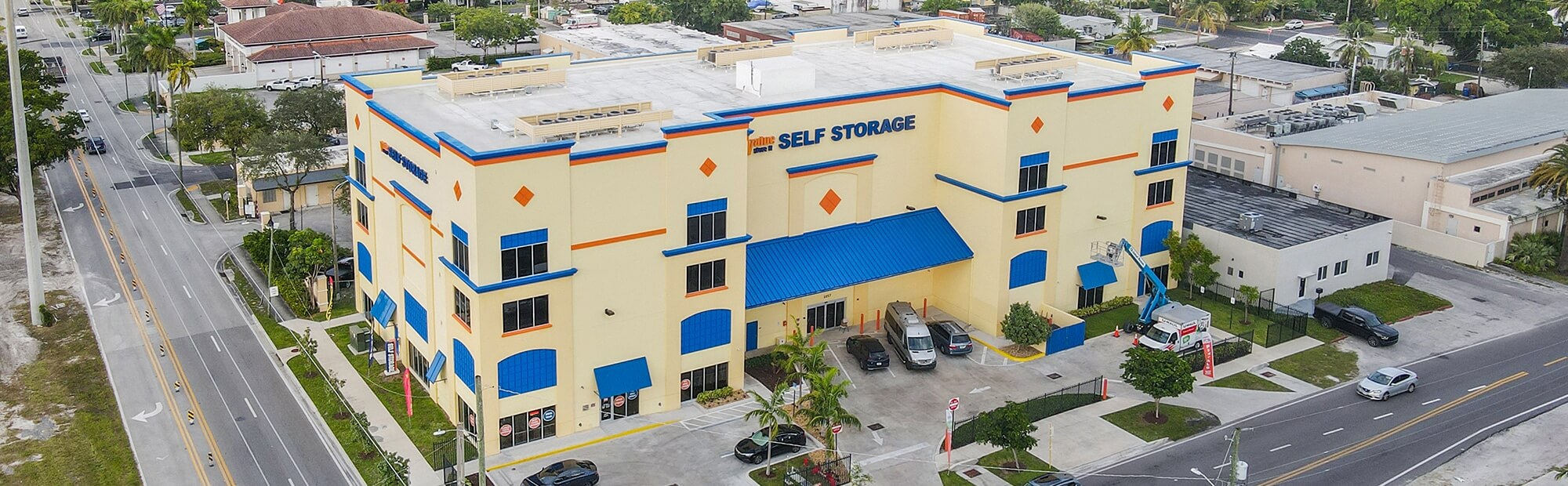
Value Store It’s Boca Raton facility rents month-to-month with no long-term contract, which suits a seasonal pattern better than an annual lease. At the small end, a 5×5 unit, about the size of a small closet, holds boxes, beach gear and off-season clothing, while a 5×10 takes the contents of one room and a 5×15 holds a studio apartment, with the depth for longer items like surfboards and paddleboards.
For households, a 10×10 unit covers a one-bedroom apartment, a 10×15 a two-bedroom apartment, a 10×20 a three-bedroom home mid-move, and a 10×30 a four-bedroom home or a small business’s inventory. In this climate, climate-controlled units aren’t a luxury: South Florida humidity is hard on wood, upholstery, electronics, artwork and paper, and an uncontrolled unit will show it within a season.
On the water side, boat storage covers the vessels that make this coast worth living on, and car storage suits seasonal residents who leave a vehicle behind for the months they’re away.
Frequently Asked Questions
What’s Boca Raton known for?
Boca Raton is known for its beaches and nature preserves, its Mediterranean Revival architecture rooted in the 1920s work of Addison Mizner, and its affluent, well-kept residential character. Gumbo Limbo Nature Center, Mizner Park and the city’s beach parks are the best-known attractions, along with a lot of golf courses and country clubs.
What are the best free things to do in Boca Raton?
Gumbo Limbo Nature Center has free admission, including the boardwalk, the 40-foot Jacob’s Outlook tower, the butterfly garden and the outdoor aquariums. Walking Mizner Park costs nothing, the Summer in the City concerts are free, and the beaches themselves are free once you’ve paid for parking. Sugar Sand Park’s grounds, playgrounds and the Children’s Science Explorium are free too.
Is Boca Raton worth visiting?
Yes, particularly if you want a calmer South Florida trip than Miami or Fort Lauderdale offers. The beaches are clean and well kept, the nature center is excellent, the dining is strong, and the city is easy to navigate. It isn’t a nightlife destination, and visitors expecting one are usually disappointed.
How many days do you need in Boca Raton?
One full day covers the essentials: a morning on the barrier island for Gumbo Limbo and the beaches, then an afternoon on the mainland for Mizner Park, the museum and shopping. A second day adds Sugar Sand Park, Royal Palm Place and the breweries without rushing, and a third allows a trip to Delray Beach or West Palm Beach, both of which are short drives or train rides and add a different character.
What’s the best beach in Boca Raton?
Red Reef Park is the pick if you want to snorkel, since its trail of artificial reefs sits just offshore. Spanish River Park is the largest and the best for a full day with a group, with shaded picnic areas and tunnels under A1A from the parking. South Inlet Park is the quietest and best for watching boat traffic at the inlet.
Planning a Visit
The efficient version of Boca Raton is two half-days. Spend a morning on the barrier island at Gumbo Limbo and Red Reef, going early for parking and heat, then spend an afternoon at Mizner Park with the museum and dinner. That covers the city’s two genuine strengths without spending the day crossing the Intracoastal.
Come between November and April if you have the choice. The same itinerary in August is a very different and much sweatier experience.