
The best time to visit Boca Raton is one of the two shoulder windows: November to mid-December, or late April through May. Both give you the warm, comfortable weather the city is known for without the peak-season crowds and without peak-season pricing, which in Boca Raton is a substantial difference.
January through March is when the weather is at its best, and it’s also when the city is fullest and most expensive. Summer is cheap, green and stormy. Which of those trade-offs suits you is the real question, and this guide breaks it down month by month.
How Boca Raton’s Seasons Actually Work
South Florida has two seasons rather than four, and they don’t map to the calendar most visitors bring with them.
The dry season, roughly November through April, is warm, sunny and comfortable, with low humidity. It’s the reason the city exists in its current form. It’s also the tourist and seasonal-resident season, so demand and pricing follow.
The rainy season officially runs May 15 to October 15. The National Weather Service in Miami uses those fixed dates, and the season brings 60% to 70% of South Florida’s yearly rainfall. Storms are most frequent from late May through early July, and they tend to arrive fast, rain hard and pass. Separately, the Atlantic hurricane season runs June 1 through November 30.
The second thing to understand is the seasonal population. Boca Raton is a year-round city that fills with seasonal residents from roughly November through April, and the difference is visible everywhere: restaurant waits, traffic on Glades Road, beach parking and hotel rates all shift together.
January to March: Peak Season
Weather: excellent. Warm days, cooler evenings, low humidity and little rain. This is as good as Florida weather gets.
Crowds: at their maximum. Seasonal residents are all in town, visitors are escaping northern winters, and the city is at its busiest.
Prices: at their highest. Hotel rates peak, and the resort in particular commands its strongest pricing of the year.
What it means practically. Book hotels months ahead. Reserve restaurants, especially on weekends. Get to the beach parking lots early, and budget for the gate: from October 1, 2026, the city’s beach parks charge non-permit visitors $40 on weekdays and $55 on weekends, and the gatehouses no longer take cash. Expect traffic on Glades Road and Federal Highway. Tee times at the public golf courses go early.
If perfect weather is worth the premium and the crowds, this is the window. For many people it is.
April and May: The Best Value Window
Weather: still very good, warming through May, with humidity building once the rainy season starts in mid-May.
Crowds: thinning. April is still part of the busy season, but seasonal residents start leaving as the month goes on, and by May the city has largely returned to its year-round residents.
Prices: falling. Rates drop meaningfully from the winter peak.
This is the window that suits most first-time visitors. You get most of the winter’s weather advantage with a fraction of the competition for tables, parking and tee times. Late April into May is the sweet spot.
June to September: Hot, Cheap and Stormy
Weather: hot and humid, with frequent afternoon thunderstorms. The rain is usually intense and often brief rather than all day, which surprises visitors who expect a washout.
Crowds: lowest of the year. Restaurants are quiet, beaches are uncrowded and parking is easy almost everywhere.
Prices: lowest of the year, by a wide margin.
Hurricane season is the real consideration. According to the National Hurricane Center, the Atlantic season peaks around September 10, with most activity between mid-August and mid-October. Most trips are unaffected, but travel insurance is a sensible purchase and flexibility is worth more than usual.
The way to make a summer trip work is to restructure the day. Beach and outdoor activity in the morning, indoor plans from midafternoon. The trails, boardwalk and tower at Gumbo Limbo Nature Center open at 7 a.m. daily, so go early, then head to Town Center or the Boca Raton Museum of Art after lunch. Summer evenings have their own draw, too: the city’s free Summer in the City concerts play Mizner Park Amphitheater on select dates from June through August. Our things to do in Boca Raton with kids guide covers the indoor options that hold up.
October and November: The Turn
October is transitional. The rainy season officially ends October 15, and the first half of the month still falls inside the most active stretch of hurricane season. Conditions usually improve as the month goes on, and crowds and prices stay low.
November is excellent and underrated. The dry season has arrived, the seasonal crowd is only starting to come back, and prices haven’t yet reached their winter peak. November through mid-December is one of the two best windows of the year, and late November outside the Thanksgiving holiday itself is especially good.
Month-by-Month Summary
January. Peak weather, peak crowds, peak prices. Book hotels, tables and tee times well ahead.
February. The same, and the hardest month of the year to get a reservation at short notice.
March. Still peak season, though the seasonal crowd starts to thin toward the end of the month.
April. Warm and steadily quieter as seasonal residents leave, with rates falling. Late April opens one of the two best windows of the year.
May. The other half of that window. The rainy season starts May 15 and humidity builds with it, so the first half of the month is the better half.
June. Hot, humid and cheap. Hurricane season opens June 1, storms are most frequent from now through early July, and the free Summer in the City concerts start.
July. Hot and quiet. Plan mornings outdoors and afternoons indoors and it works well.
August. The same, with the most active stretch of hurricane season beginning mid-month. Restaurants that are impossible in February are easy now.
September. The quietest and cheapest month, and the least predictable: the Atlantic season peaks around September 10.
October. Transitional. The rainy season ends October 15 and conditions improve through the month. Budget for the higher beach parking rates, which start October 1.
November. The best all-round month: dry-season weather, a crowd that has only begun to return and pricing below the winter peak. Thanksgiving week is the exception.
December. Excellent through roughly mid-month, then the city fills quickly and rates climb into the holidays.
What to Do in Each Season
In the dry season, put everything outdoors. The beaches at Red Reef and Spanish River, the boardwalk and observation tower at Gumbo Limbo, Mizner Park’s open-air plaza and golf all come into their own. Mizner Park Amphitheater books ticketed concerts year-round, so check its calendar whenever you’re in town.
In the rainy season, front-load the day. Beaches and the nature center in the morning, then Town Center, the Boca Raton Museum of Art or the Children’s Science Explorium at Sugar Sand Park in the afternoon. Summer is also the best time to eat well here, since the restaurants that are hard to book in February are far easier to get into in August. Our Boca Raton restaurant guide covers where to go.
For a full picture of what to build a trip around, see our guide to things to do in Boca Raton, and for accommodation timing, the Boca Raton hotel guide.
What to Pack
In winter, bring a light jacket or sweater. Evenings can feel cool by Florida standards, and visitors regularly underpack for them.
In summer, bring rain protection and plan on changing clothes. A light waterproof layer is more useful than an umbrella in a storm with wind behind it.
Year-round, sun protection isn’t optional. The Florida sun is strong in every month, including on cloudy days when it doesn’t feel severe.
Seasonal Storage in Boca Raton
Boca Raton’s seasonality isn’t just a visitor phenomenon. Many of the city’s households are seasonal, arriving in the fall and leaving in the spring, and that creates a storage pattern you see less of in year-round markets. Belongings need somewhere secure to sit for the months the home is empty, and vehicles and boats need somewhere to go.
Hurricane season adds a second, sharper requirement. From June through November, patio furniture, outdoor equipment and boats have to be secured, sometimes at short notice and sometimes more than once in a season.
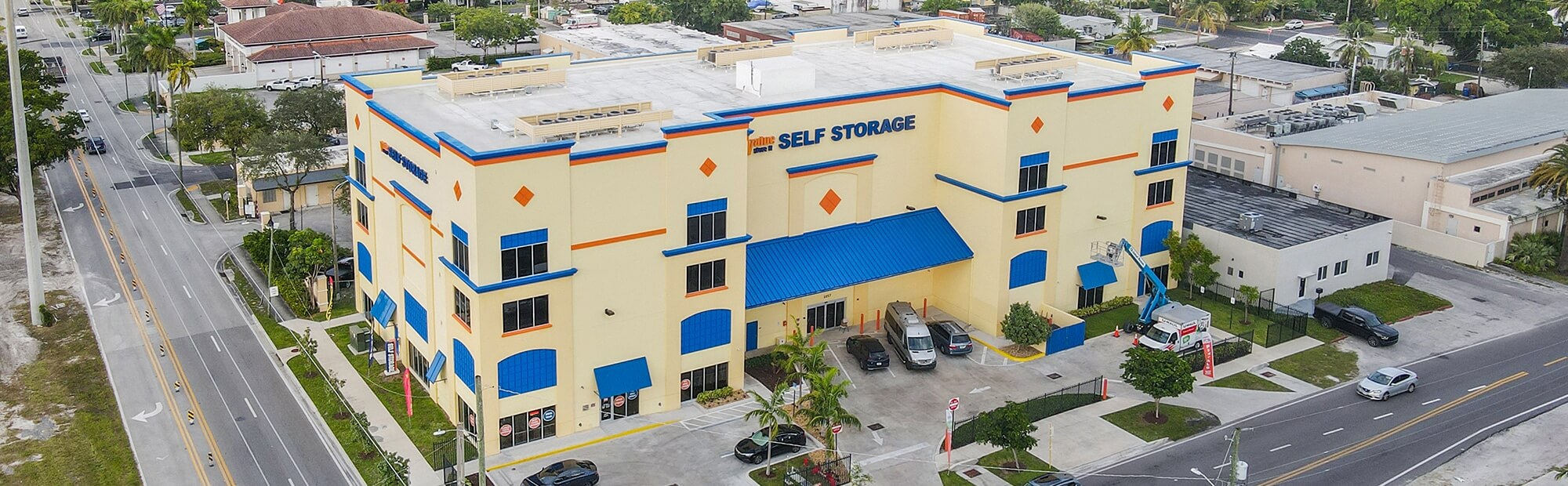
Value Store It’s Boca Raton facility rents month-to-month with no long-term contract, which is what a half-year pattern requires. A 5×5 unit, about the size of a small closet, holds boxes and seasonal gear. A 5×10 takes the contents of one room, like a furnished bedroom, and a 5×15 holds a studio apartment’s worth, with room for patio furniture and bicycles.
For a full property, a 10×10 unit fits a one-bedroom apartment and a 10×15 a two-bedroom apartment. A 10×20 holds a three-bedroom home, and a 10×30 takes the contents of a four-bedroom home.
The single most important choice in this climate is climate control. Leaving furniture, artwork, documents, textiles or electronics in an uncontrolled unit through a South Florida summer is how people discover what humidity does, and the discovery is expensive. For seasonal residents, car storage is the standard answer for a vehicle left behind between visits, and boat storage covers both the off-season and hurricane preparation.
Frequently Asked Questions
What’s the best month to visit Boca Raton?
The two best windows are November to mid-December and late April through May, which offer warm weather without peak-season pricing or crowds. January through March has the very best weather, but those are also the busiest and most expensive months of the year, and hotels, restaurants and tee times need booking well in advance.
What’s the rainiest time of year in Boca Raton?
The rainy season runs May 15 to October 15 and brings most of the year’s rain. Storms are most frequent from late May through early July, and they usually arrive as intense afternoon thunderstorms that are often brief rather than as all-day drizzle, so a summer trip is workable if you plan outdoor activity for the morning.
When is hurricane season in Boca Raton?
Hurricane season runs June 1 through November 30. It peaks around September 10, and most activity falls between mid-August and mid-October. Most trips during this period are unaffected, but flexible bookings and travel insurance are sensible precautions, and it’s worth knowing your accommodation’s evacuation zone.
Is Boca Raton crowded in summer?
No, quite the opposite. June through September is the quietest time of year, because the seasonal residents who fill the city between November and April have left. Restaurants that are hard to book in February are easy in August, beach parking is simple and hotel rates are at their lowest.
Is Boca Raton worth visiting in December?
Yes, and early December in particular is excellent. The dry season has arrived, and the first half of the month is still shoulder season. From mid-December through the holidays, the city fills quickly and prices climb, so the first two weeks are the window.
Timing It Right
If you want one answer, come in November or late April. Both give you the weather that makes Boca Raton worth visiting, at a fraction of the peak-season cost and without competing for a table or a parking space.
If your dates are fixed for February, book everything early and accept the premium. If they’re fixed for August, get up early, use the mornings and take full advantage of a city that’s been handed back to its year-round residents.