
The best day trips from Melbourne, FL sort themselves by drive time. Inside 30 minutes you get boardwalk hikes, airboats and a restored riverside village. Between 30 and 60 minutes sit Sebastian Inlet, Cocoa Beach, Vero Beach and the rockets at Kennedy Space Center. Past an hour, Orlando and the wild beaches north of the Cape come into range. This guide covers 15 trips in distance order, each with a drive time and a reason to go, and it flags the three that work better as an overnight.
Melbourne’s Three Drive-Time Rings
Melbourne sits on the Indian River Lagoon about 72 miles southeast of Orlando, which puts a lot of Florida inside a two-hour radius. Four roads do the work: I-95 for speed, US-1 for the slower riverside version, A1A south along the barrier island, and the Beachline, State Road 528, west to Orlando.
Inside 30 minutes is a half day you can start after breakfast. The 30- to 60-minute ring is a full day and usually one destination. Past an hour you’re committing the whole day. Every trip needs a car, because no transit link on the Space Coast is worth planning around. If you’d rather not leave town, the full things to do in Melbourne guide covers what sits inside city limits.
Half-Day Trips Under 30 Minutes From Melbourne
Turkey Creek Sanctuary in Palm Bay: 15 Minutes
Turkey Creek Sanctuary is the closest real hike to Melbourne, about 15 minutes south in Palm Bay. The City of Palm Bay lists a 1.85-mile boardwalk plus 1.5 miles of jogging trails on 130 acres of hammock and creek, and admission is free. Go in the morning for the wildlife and the shade, before the heat settles into the trees.
Ritch Grissom Memorial Wetlands in Viera: 20 Minutes
The Ritch Grissom Memorial Wetlands, which locals call the Viera Wetlands, is a water reclamation site that doubles as one of the area’s best birding spots, about 20 minutes northwest. Brevard County’s wetlands page puts the hours at 7 a.m. to 7 p.m. daily and closes the berms to unauthorized vehicles, so you park at the designated area and work the loop on foot or by bicycle. Alligators sit on the banks and crested caracaras nest nearby. It’s completely exposed, so go early.
Camp Holly on the St. Johns River: 20 Minutes
Camp Holly runs airboat rides through the St. Johns River marsh about 20 minutes west of downtown, and it’s the fastest way to get from a suburban road to old Florida. It began in the 1920s as Brevard’s first fish camp and has run airboats since 1983, according to Camp Holly’s history page. Tours last about 45 minutes. Book ahead in season, and bring ear protection for young kids, because airboats are loud.
Historic Cocoa Village: 25 to 30 Minutes
Historic Cocoa Village sits 25 to 30 minutes north up US-1 or I-95. It’s a restored riverside village of independent shops, galleries and restaurants with a working playhouse, and it reads like downtown Melbourne at half the size. The Saturday Art Market fills Myrt Tharpe Square from 11 a.m. to 5 p.m., and a half day here leaves room to add Cocoa Beach.
Full-Day Trips 30 to 60 Minutes Away
Sebastian Inlet State Park: 35 to 40 Minutes South
Sebastian Inlet State Park is 35 to 40 minutes south on A1A, and it holds the best-known surf breaks on this coast. First Peak and Monster Hole draw surfers year-round, the jetty covers fishing, and the sheltered cove on the north side gives small kids somewhere calm to wade. Sebastian Inlet charges $8 per vehicle for two to eight people, and $4 for a single-occupant car, and the park also holds the McLarty Treasure Museum. The drive down passes the Archie Carr National Wildlife Refuge, 20.5 miles of beach that federal biologists call the most significant loggerhead nesting area in the world.
Cocoa Beach: 35 to 40 Minutes North
Cocoa Beach is 35 to 40 minutes north, depending on the causeway. The Westgate Cocoa Beach Pier anchors the beachfront, with surf shops and beachside bars around it and Coconuts on the Beach at the end of Minutemen Causeway. It’s busier and more commercial than Melbourne’s own beaches, which is exactly why people drive up.
Vero Beach: 45 to 50 Minutes South
Vero Beach is about 45 to 50 minutes south on I-95, and it’s the trip for when you want the volume turned down. The oceanside village is walkable, the Vero Beach Museum of Art sits in Riverside Park, and citrus groves start just inland. Vero is quieter and wealthier than Melbourne rather than livelier, so plan a long lunch rather than an itinerary.
Kennedy Space Center Visitor Complex: 45 to 60 Minutes
The Kennedy Space Center Visitor Complex on Merritt Island is 45 to 60 minutes north and opens 9 a.m. to 5 p.m. Space Shuttle Atlantis is displayed as if in flight, the Apollo/Saturn V Center puts a full Saturn V overhead, and Gateway: The Deep Space Launch Complex and the bus tours behind NASA’s gates fill the rest. It needs a full day and one of the region’s pricier tickets.
Wild Florida in Kenansville: About an Hour West
Wild Florida is about an hour west in cattle country, and it pairs a drive-through safari of more than 150 animals with hour-long airboat tours through the Central Florida Everglades. Two attractions at one address make it strong value for a family day, and the Chomp House Grill means nobody has to pack lunch. It’s open Monday through Saturday 9 a.m. to 6 p.m. and closed Sundays, per Wild Florida. See the family activities around Melbourne for the days you stay home.
Long Days One to Two Hours From Melbourne
Merritt Island National Wildlife Refuge: About 1 Hour
Merritt Island National Wildlife Refuge is about an hour north, and Black Point Wildlife Drive is the reason to go: 7 miles of one-way road through impoundments loaded with wading birds and alligators, plus migrating ducks in winter. You see all of it from the car, which makes this the rare trip that survives a toddler asleep in the back. Winter mornings are the peak, and the refuge requires a pass for the drive, $10 per vehicle for a day.
Canaveral National Seashore at Playalinda: 1 Hour 10 Minutes
Canaveral National Seashore protects 24 miles of shoreline, the longest undeveloped beach on Florida’s Atlantic coast, and the Playalinda entrance is about an hour and 10 minutes out. There are no concessions, so bring water, food and shade. The National Park Service restricts access around rocket launches, so check before you drive up.
Orlando Theme Parks: 1 Hour 15 to 1 Hour 30
SeaWorld, Aquatica, Universal Orlando and Walt Disney World sit about 1 hour 15 minutes to 1 hour 30 minutes each way on the Beachline. Plenty of Melbourne families do the parks this way, sleeping at home to skip Orlando hotel rates. Leave by 7 a.m., pick one park, and accept that you’ll drive home tired.
Trips Worth an Overnight Instead
Three destinations here earn the mileage but not the round trip in one day, because the driving eats the visit. When family is coming to you rather than the other way around, the Melbourne hotels guide covers where they can stay.
Florida Oceanographic Coastal Center in Stuart: 1 Hour 30 Minutes
The Florida Oceanographic Coastal Center in Stuart is a marine life center with nature trails, a stingray touch tank, aquariums and a gamefish lagoon, about an hour and a half south. It’s open Tuesday through Sunday, 10 a.m. to 4 p.m., and the scheduled feedings drive the day, so check times first. Downtown Stuart is minutes away and worth an evening.
Loggerhead Marinelife Center in Juno Beach: 1 Hour 45 Minutes
Loggerhead Marinelife Center in Juno Beach is a sea turtle research and rehabilitation center where you can see turtle patients, take a tour or sit in on a program, about an hour and 45 minutes south on I-95. Admission is free, with donations accepted, and it’s open seven days a week from 10 a.m. to 5 p.m. It’s the natural follow-up if a walk on the Archie Carr shoreline hooked your kids.
Manatee Lagoon in West Palm Beach: 2 Hours
Manatee Lagoon in West Palm Beach is built around an observation deck beside the warm-water outflow of FPL’s power plant, where manatees gather, with two levels of exhibits inside. Manatee Lagoon is free and open 9 a.m. to 4 p.m., and the drive is about two hours. Manatee season runs November 15 through March 31, so this is a winter trip and a wasted one in July.
Planning Around Storms, Launches and the Seasons
Summer afternoons are the real constraint on every outdoor trip here. The National Weather Service Melbourne office puts the start of the wet season at about May 28 and the return of the dry season at about October 17, and the daily sea breeze collision it calls the Florida Rain Machine is why the corridor between Tampa and Cape Canaveral is often called the lightning capital of the United States. From June through September, do the outdoor half of any trip before noon.
Hurricane season runs June 1 through November 30. NOAA puts the peak on September 10, with most activity from mid-August through mid-October, and barrier island destinations close first ahead of a storm. Late October through April is the easy window, and the best time to visit Melbourne breaks the calendar down month by month.
Rocket launches are the wildcard nobody warns visitors about. A launch can close parts of Canaveral National Seashore and snarl the roads around Kennedy Space Center for hours, though it can also hand you the best free show on the coast, since a daytime launch is often visible from the Melbourne causeways.
Half of these trips run on the same equipment: a cooler, folding chairs, an umbrella, snorkel gear and a couple of paddleboards. Salt air and lagoon humidity are hard on all of it, which is why climate-controlled storage in Melbourne earns its keep in a way it wouldn’t inland. A 5×5 locker, about the size of a small closet, takes chairs, coolers and beach bags. A 5×10 unit is a small walk-in closet that holds the contents of one room, and the 10×5 footprint, the same 50 square feet laid out 10 feet deep, is the shape a kayak wants.
Frequently Asked Questions
What’s a good day trip from Melbourne?
Historic Cocoa Village is the safest pick, 25 to 30 minutes north with independent shops and a Saturday art market. If you want water instead of storefronts, Sebastian Inlet State Park is 35 to 40 minutes south and covers surfing, jetty fishing and a kid-friendly cove in one stop. Cocoa Village works as a half day, so it doesn’t need an early start.
Where is 1 hour away from Melbourne?
Roughly an hour out gets you the Kennedy Space Center Visitor Complex and Merritt Island National Wildlife Refuge to the north and Wild Florida’s safari and airboats to the west. Orlando’s theme parks sit just past that mark, about 1 hour 15 minutes to 1 hour 30 minutes each way on the Beachline.
What are some good day trips I can take from Brevard County, Florida?
Brevard County supplies several on its own. Cocoa Village, Cocoa Beach, Merritt Island National Wildlife Refuge and the Kennedy Space Center Visitor Complex all sit inside the county line, and the Ritch Grissom Memorial Wetlands in Viera is 20 minutes from Melbourne. Cross the line and you add Sebastian Inlet, Vero Beach and Orlando, none more than about 90 minutes out.
Is Melbourne Beach nicer than Cocoa Beach?
They’re aiming at different things. Melbourne Beach and the Archie Carr shoreline south of it are quiet, low-rise and largely undeveloped, which is part of why loggerheads nest there in such numbers. Cocoa Beach is busier, more commercial and built around the pier, the surf shops and the bars. Pick Melbourne Beach for quiet and Cocoa Beach for a scene.
What’s a good day trip in Florida?
From this stretch of the Space Coast, the strongest Florida day trip is a wildlife one rather than a theme park one. Black Point Wildlife Drive on a winter morning, Playalinda’s empty shoreline at Canaveral National Seashore, and the boardwalk at Turkey Creek Sanctuary each deliver something Orlando can’t, and all three cost little or nothing.
Where to Keep the Gear Between Trips
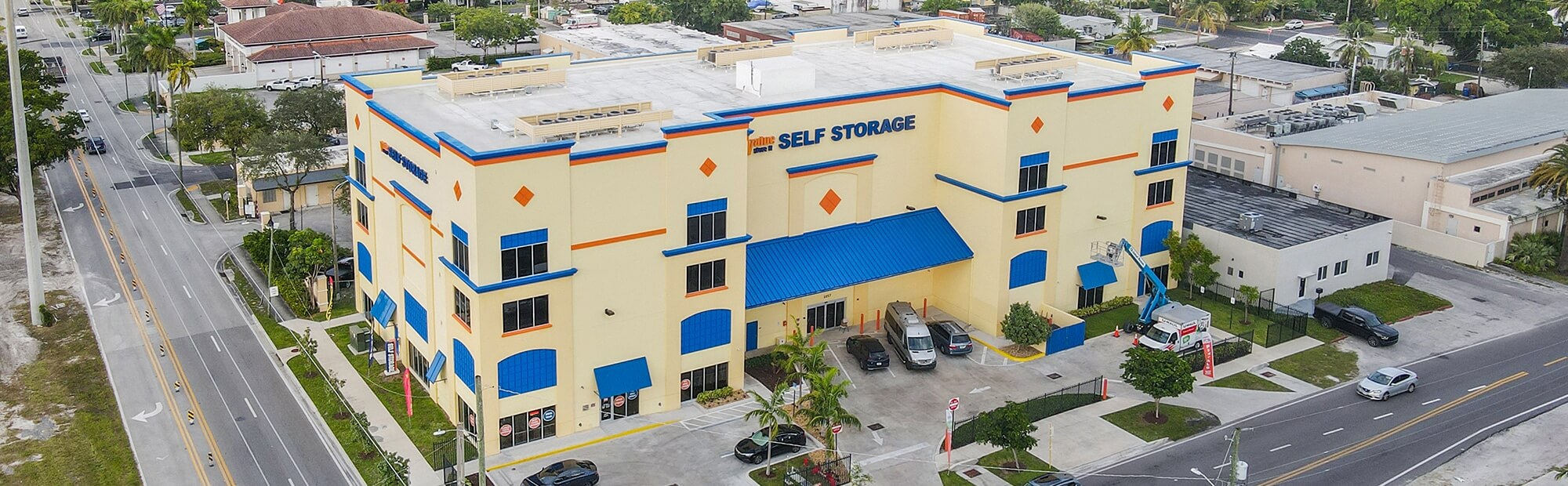
The kit that makes these trips easy has to live somewhere, and Florida garages aren’t kind to it. Value Store It’s Melbourne self-storage facility rents month-to-month with no long-term contract, which suits gear that comes out for six months and goes back. 5×15 units, about a large walk-in closet, hold camping and paddle equipment together without burying what you need first. A 10×10 unit takes a one-bedroom apartment, a 10×15 unit covers a two-bedroom apartment, and a 10×20 space handles a three-bedroom home mid-move. The 10×30 unit is the largest footprint here, about a four-bedroom home’s worth, and the size guide settles the square footage question faster than a tape measure.