The best things to do in Melbourne, FL sit in four areas: the walkable downtown blocks along New Haven Avenue, the Eau Gallie Arts District up the lagoon, the barrier island beaches a five minute causeway hop east, and the zoo, wetlands and theater strung north along Wickham Road. This guide covers 20 of them area by area, with what most lists leave out: what costs nothing, what has to be booked ahead, and what to do at 3 p.m. in July when the sky opens.
Melbourne's Three Centers and One Barrier Island
Melbourne has three downtowns rather than one. Historic Downtown Melbourne runs along New Haven Avenue under an oak canopy. The Eau Gallie Arts District, known locally as EGAD, sits a few miles north on Pineapple Avenue and was a separate city until Melbourne absorbed it in 1969. The Suntree and Viera corridor along North Wickham Road is the newer, car dependent third. The city had 84,678 residents at the 2020 Census across 44.15 square miles (city profile).
Distances are short. From downtown, the Melbourne Causeway puts you on the beach in Indialantic in about ten minutes, Brevard Zoo and Palm Bay are inside 20, and Viera and Sebastian Inlet are roughly half an hour. Melbourne Orlando International Airport is five minutes out, so plenty of visitors fly in here rather than drive down from Orlando (Visit Florida).
One honest note on geography. Several of the best things here are not technically in Melbourne: the beaches belong to Indialantic, Melbourne Beach and Indian Harbour Beach, Turkey Creek is in Palm Bay, and the wetlands are in Viera. Kennedy Space Center and Cocoa Beach are 40 minutes or more away, so they sit on the day trips from Melbourne list instead.
Historic Downtown Melbourne: Murals, Waterfront Parks and Free Parking
New Haven Avenue and the Downtown Mural Trail
Historic Downtown Melbourne packs more than 45 shops and more than 40 restaurants and bars into eight walkable blocks, with free street parking and a growing set of wall murals (Melbourne Main Street). Park once and stay on foot. The murals sit down side streets rather than along the main drag, so pull up the map first instead of circling the block.
Riverview Park, Front Street Park and the Saturday Farmers Market
Riverview Park and Front Street Park are downtown's waterfront green space on the Indian River, and they cost nothing to use. The farmers market runs Saturdays from 10 a.m. to 2 p.m. and pairs well with breakfast on New Haven Avenue afterward, and Small Town Fridays bring family programming to the same waterfront.
The Gathering Table: A Cooking Class Instead of Another Dinner
The Gathering Table at 318 E New Haven Avenue is downtown's interactive cooking class kitchen, where you cook the meal and eat it course by course as you go. Classes suit nervous beginners and confident home cooks equally, and sessions are scheduled rather than drop in, so book ahead. It beats another restaurant table on a rainy afternoon.
The Landing at Hotel Melby: Downtown's Rooftop View
The Landing is the rooftop bar and restaurant on top of Hotel Melby at 801 E Strawbridge Avenue, and it's open to people who aren't staying there. It's the highest vantage point downtown, which makes sunset both the crowded hour and the reason to go. Come earlier for a rail seat over the Indian River. For the rest of the after dark options, see the Melbourne nightlife guide.
The Eau Gallie Arts District: Galleries, Murals and the Lagoon
The EGAD Mural Walk and First Friday Art Walks
The Eau Gallie Arts District is a compact riverfront neighborhood of galleries, murals, historic homes, a brewery and waterfront restaurants, and you can see all of it on foot in an afternoon. First Friday art walks are the night to come if you want the galleries open. Eau Gallie Square is the gathering point, and the district's own mural map (EGAD) saves a lot of aimless driving.
Intracoastal Brewing Company: The Beer Garden Locals Use
Intracoastal Brewing Company at 652 West Eau Gallie Boulevard pours an ever rotating cycle of house brewed beer, with food on site under the Intra Eats banner. The beer garden, not the taproom, is why regulars turn up. Doors close at 10 p.m. midweek, 11 p.m. Friday and Saturday, and 8 p.m. Sunday.
Historic Rossetter House Museum and Gardens
The Historic Rossetter House Museum and Gardens at 1320 Highland Avenue preserves a pioneer era home on the National Register, shown on guided tours of about an hour with no age restrictions. The site also takes in the Roesch House and the Houston Cemetery, so you get the settlement's whole story. Tours have historically run Wednesday through Saturday, but call 321-254-9855 to confirm first.
Pineapples: Three Floors Over the Indian River
Pineapples at 1434 Pineapple Avenue stacks three floors of dining and drinking with lagoon views, including the second floor Moon Room live music space and a rooftop that is the best sunset seat in the district. Fish tacos and the pineapple glazed salmon are the orders locals repeat. The roof fills first, so arrive before 6 p.m.
The Barrier Island: Beaches, Turtles and Night Paddles
Indialantic Boardwalk and Park: The Closest Beach to Downtown
The Indialantic Boardwalk and Park sits at the foot of the Melbourne Causeway, roughly ten minutes from downtown, with a boardwalk, showers and restaurants a block inland. It's the beach entry to use if you're staying downtown, though parking is street parking only, so weekends reward an early start. Beach gear multiplies fast here, and a 5×10 storage unit swallows boards, chairs, coolers and a couple of bikes.
Paradise Beach Park and Canova Beach Park
Paradise Beach Park is one of the top rated free beach parks near Melbourne, with beach access, restrooms and picnic space, and the price is the point. Parking fills by late morning on holiday weekends. Canova Beach Park, just north of the Eau Gallie Causeway, is the closer choice from EGAD and has parking, restrooms and dune crossovers. Check county rules before bringing a dog.
Barrier Island Sanctuary and the Archie Carr Refuge
The Barrier Island Sanctuary is a free education center and trail system on the island, built around the sea turtle habitat of the Archie Carr National Wildlife Refuge. The refuge protects about 20.5 miles of beach south of Melbourne Beach and is the densest loggerhead nesting site in the United States. Free admission makes the sanctuary a smart storm afternoon stop.
Sebastian Inlet State Park: Surf, Jetties and a Safe Tide Pool
Sebastian Inlet State Park sits about 20 miles south on A1A, a 30 minute drive, and it holds the best known surf break on this coast along with jetty fishing, snorkeling and two small museums. The tide pool on the north side is shallow enough for young kids. There's a per vehicle fee, and the park's conditions page is worth checking first.
Summer Sea Turtle Walks With the Sea Turtle Preservation Society
Permitted night walks run by the Sea Turtle Preservation Society take small groups onto Brevard beaches in summer to learn about nesting loggerheads and, with luck, watch one lay eggs. The walks run June through August only, and spots book out well ahead. This is the most distinctive thing on the list and the reason to visit in the hottest months.
Bioluminescent Kayak Tours on the Indian River Lagoon
Guided night paddles on the Indian River Lagoon and Banana River light up the water around your paddle in summer, and several operators run moonlit trips through the same waters. Darkness is the variable that matters, so check the moon phase before you book. It is not the right first paddle for anyone nervous on open water at night.
North Melbourne, Suntree and Viera
Brevard Zoo and Treetop Trek
Brevard Zoo at 8225 North Wickham Road keeps more than 900 animals in open air habitats and adds what most zoos don't: kayaking through the Africa loop, giraffe feeding, and the Treetop Trek zip line and high wire courses above the habitats. USA Today named it one of the ten best zoos in the country in 2025. It opens at 9:30 a.m. with last admission at 4:15 p.m., and parts of the Paws On loop are closed for renovation as of August 2026 (Brevard Zoo). Kayaking and giraffe feeding sell out, so book those first.
The Brevard Zoo Linear Park Trail
The Linear Park trail starts just beyond the zoo entrance and runs as a paved, ten foot wide, traffic free path of about six miles round trip. It's free, and it's the flattest safe cycling in a metro built for cars. There's no rental at the trailhead, so bring bikes, and go early, because shade disappears by midday.
Ritch Grissom Memorial Wetlands: Birding From the Car
The Ritch Grissom Memorial Wetlands in Viera, which everyone here calls the Viera Wetlands, is a water treatment site that doubles as one of Central Florida's best birding spots. A loop drive lets you work it by car, on foot or by bike, with alligators and crested caracaras regularly in view. Check the sabal palms near the start of the loop. It's free, exposed and best at first light.
The King Center for the Performing Arts
The King Center at 3865 North Wickham Road is Melbourne's main performing arts house, running Broadway touring productions, symphony, ballet, comedy and a Classic Albums Live series. The 2026 to 2027 season includes The Nutcracker, Cirque Dreams Holidaze and Celtic Thunder (King Center). Buy ahead for Broadway weeks, and note the clear bag policy capped at 12 by 6 by 12 inches.
West Melbourne, Palm Bay and the St. Johns Marsh
Turkey Creek Sanctuary: The Closest Real Hike
Turkey Creek Sanctuary in Palm Bay carries about 3.5 miles of trail, including a 1.8 mile boardwalk through dense hammock along the creek, and it's free. Manatees, alligators and wading birds are regular sightings, and there's a butterfly garden near the entrance. You can also reach it by kayak on a six mile round trip. Morning pays, both for wildlife and shade.
Camp Holly Airboat Rides on the St. Johns River
Camp Holly runs airboat trips through the St. Johns River marsh west of the city, the closest thing to old Florida you can reach in 20 minutes from downtown, and locals name it constantly when visitors want something that isn't the beach. Book ahead in season, and bring ear protection for young kids, because airboats are loud.
Parking, Storm Timing and What Closes When
Melbourne runs on two seasons, not four. The National Weather Service Melbourne office puts the start of the wet season at about May 28 and the dry season at about October 17, and the daily summer storm cycle it calls the Florida Rain Machine is why locals hit the beach before 10 a.m. and move indoors after 2 p.m. Hurricane season runs June 1 through November 30, peaking from mid August into early October, so watch the forecast daily and expect barrier island businesses to board up ahead of a named storm.
Humidity is the other constant. Salt air and months of high moisture are hard on paper, photographs, wood furniture and anything with a circuit board, which is why plenty of households keep what they care about in climate controlled storage in Melbourne rather than a garage.
Parking splits by district. Downtown parking is free on the street, easy on a weekday and difficult on festival Saturdays. Beach lots at Paradise Beach and Canova Beach fill by late morning on holiday weekends. Downtown and EGAD are the only areas you can genuinely walk; the zoo, the wetlands, Turkey Creek and every beach need a car.
Two timing traps are worth knowing. Renninger's Melbourne Flea and Farmer's Market opens Friday through Sunday only, and volunteer run sites like the Old Town Hall History Center in Melbourne Beach keep limited hours, so call before driving over. Boat trailers and campers are everywhere on this coast, and when a driveway or an HOA won't take one, a 10×30 drive up unit will. For a month by month read on weather and crowds, see the guide to the best time to visit Melbourne.
Frequently Asked Questions
Is Melbourne, FL worth visiting?
Yes, particularly if you want a beach trip without a resort strip. Melbourne gives you a walkable historic downtown, an arts district on the lagoon, uncrowded barrier island beaches and the densest sea turtle nesting beach in the United States, all inside a 30 minute radius. It's quieter than Cocoa Beach and far calmer than Orlando.
What is Melbourne, Florida famous for?
Melbourne is best known as a Space Coast city on the Indian River Lagoon within an hour of Kennedy Space Center, and as an aerospace and defense hub anchored by the L3Harris Technologies headquarters. Locally it's known for surfing, sea turtle nesting along the Archie Carr refuge and the murals of the Eau Gallie Arts District.
What is there to do in Melbourne, Florida for adults?
Adults get the most out of the two walkable districts. Downtown holds the rooftop at Hotel Melby, cocktail bars, a cooking class kitchen and the King Center a short drive north, while EGAD adds galleries, a brewery beer garden and lagoon side dining. Otherwise the standouts are summer night paddles, birding at the Viera Wetlands and an airboat run. The best restaurants in Melbourne cover dinner.
What are some fun things to do in Melbourne, Florida with kids?
Brevard Zoo is the anchor, with a splash pad, giraffe feeding and Treetop Trek courses for older kids. The tide pool at Sebastian Inlet State Park is shallow and safe, the Barrier Island Sanctuary is free, and the Linear Park trail is flat enough for small bikes. For indoor playgrounds and rainy day options, see the guide to things to do in Melbourne with kids.
How many days in Melbourne is enough?
Two full days covers the city: one for downtown, EGAD and the lagoon, one for the beaches and the zoo. Add a third if you want Sebastian Inlet, the Viera Wetlands or an airboat trip, and a fourth if you plan to drive up to Kennedy Space Center. Visitors who surf or fish tend to stay a week and never run out.
Storage in Melbourne, for When the Gear Outgrows the House
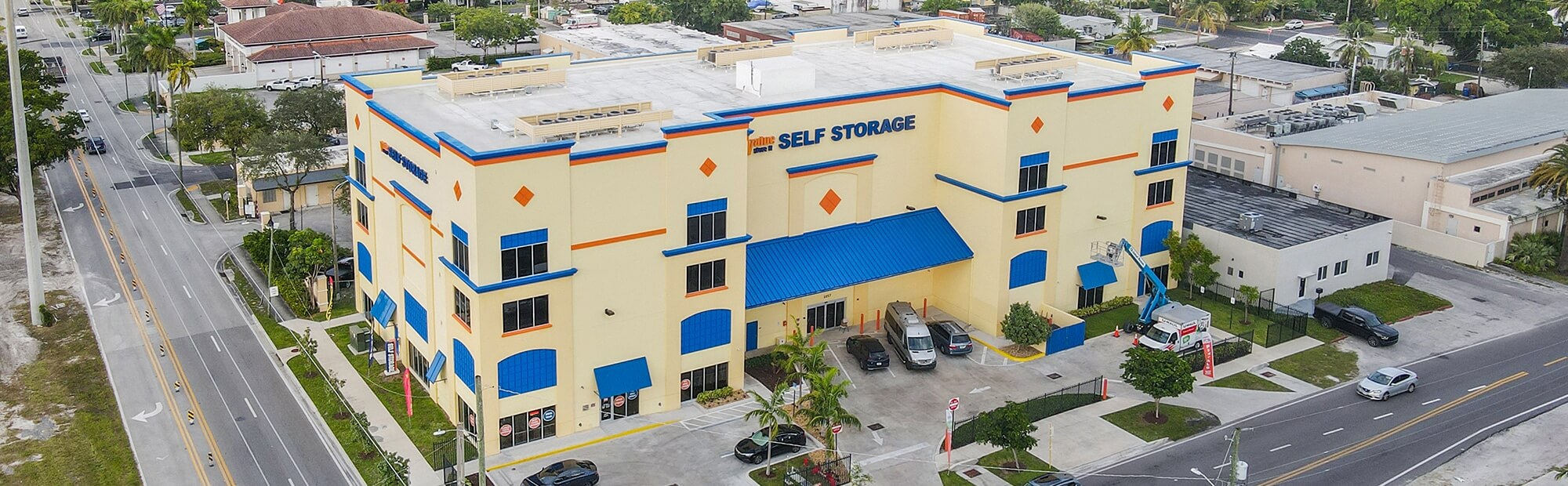
Life on the Space Coast means accumulating things: boards, bikes, camping gear and the furniture from the house you sold up north. Value Store It's Melbourne facility rents month to month with no long term contract and is open seven days a week. A 5×5 locker takes boxes and seasonal decorations, a 10×5 unit or a 5×15 space handles a garage clear out, and 10×10 units hold roughly a one bedroom apartment. Larger households and small businesses move up to a 10×15 unit or a 10×20 unit. If you're unsure which fits, the storage size guide walks through it room by room.