
Moving to Virginia Gardens, FL means buying into a village the Village of Virginia Gardens puts at about 2,300 residents, tucked between Miami International Airport and the streets of Miami Springs, northwest of downtown Miami. You get a quiet residential grid, a village police department and an average commute of 22.1 minutes (Data USA). You also do your grocery run, your schooling and much of your dining across the village line. Here’s the cost, the housing, the job market, the schools and the weather.
What Life in a Tiny Airport Village Actually Looks Like
Virginia Gardens has two settings, and new residents learn them in the first week. Inside the grid, the streets are shady, residential and small enough to cross the whole village on foot in a few minutes. Out on NW 36th Street, the southern edge is commercial: airport businesses, the village’s one hotel, a short row of restaurants and steady weekday traffic heading west toward Doral.
What the village lacks matters more when you’re choosing a street. There’s no supermarket, no mall, no hospital and no golf course inside the limits. Village Hall and the Virginia Gardens Police Department share 6498 NW 38th Terrace, with the village park and athletic field beside them (Village of Virginia Gardens). Everything else is a short drive: Miami Springs immediately north and east, Doral west along NW 36th Street, Hialeah to the north, and Coral Gables and downtown Miami to the southeast.
The village dates to 1947, when about 50 residents broke away from Miami Springs after it passed an ordinance banning horses, and it’s named for the state of Virginia. It grew up around farms and then aviation, and the Village notes that Boeing and Pan Am both put flight training schools here.
Cost of Living and Housing Prices in Virginia Gardens
Housing decides whether Virginia Gardens works for you. According to Data USA’s Virginia Gardens profile, the median property value was $457,600 in 2024 and the homeownership rate was 56%, against a median household income of $70,469. The median age is 45.2, which tells you what the market is doing: long-tenured owners rather than rental churn.
Inventory is the real constraint. This is well under half a square mile of mostly older single-family homes, so a handful of listings at a time is normal, and buyers often wait for the right block rather than the right price. If you want a house with a yard this close to the airport, that scarcity is the trade-off.
Budget past the mortgage. South Florida property insurance, wind coverage and most of a year of air conditioning surprise people relocating from out of state, and none of them show up in a listing price. One more wrinkle for anyone downsizing: Florida houses rarely have basements and older closets are small, so plenty of arrivals park the overflow in a 10×10 storage unit in Virginia Gardens while they work out what fits.
Where to Live: Four Areas Within a Short Drive
Virginia Gardens Proper: Curtiss Parkway and NW 36th Street
The village suits airport and airline workers, families who stay put and anyone who wants a yard next door to MIA. The residential blocks are the quietest, and the closer a house sits to NW 36th Street, the more traffic and commercial neighbors come with it. Both of the village’s small commercial strips are inside the limits: a block of Curtiss Parkway and a row along NW 36th Street.
Bryson’s Irish Pub at 3790 Curtiss Parkway is the village living room and its only genuinely late room, open 10 a.m. to 5 a.m. with food until 3 a.m. (Bryson’s Irish Pub). Order the wings in Buffalo, barbecue, teriyaki, garlic Parmesan or dry rub. Expect a sports bar with a dive-bar feel rather than a cocktail lounge, and note the package store on site.
Vito’s Bakery at 3934 Curtiss Parkway, a few doors up the same strip, starts hot breakfast at 5:30 a.m. Tuesday through Friday and 6 a.m. on weekends, which is why airport shift workers are in the door before dawn. It closes at 3 p.m. and takes Mondays off, so learn that before you build a routine on it (Vito’s Bakery hours). It’s a Cuban bakery with empanadas, pastries, sandwiches, fresh juice and hot Cuban coffee at counter-service prices. If you want one habit that makes the area feel like home quickly, this is it.
Basilico Ristorante at 5879 NW 36th Street is the closest thing to a special-occasion table inside the village, a Northern Italian room built around homemade pasta, with the linguine frutti di mare as its signature. It’s closed Sundays and closes long before the pub does, so call ahead and treat it as dinner rather than a late stop.
The Better Taco at 3948 Curtiss Parkway handles weeknights. It presses its tortillas fresh daily and sells them by the pack to take home, and hours run to 10 p.m. Thursday through Saturday.
The village park next to Village Hall is residential rather than a destination, with the athletic field and the village’s summer camp. The shade runs out by midday, so mornings are the slot.
Miami Springs: Where the Errands and the Weekends Happen
Miami Springs is where people who live in Virginia Gardens spend much of their time. Glenn Curtiss and James Bright founded it in 1926 as Country Club Estates, with Pueblo Revival architecture and curving streets (City of Miami Springs), and it carries the amenities the village doesn’t have.
Milam’s Market at 80 Curtiss Parkway is the grocery answer, an independent grocer with a deli and beer and wine, open 7 a.m. to 10:30 p.m. (Milam’s Markets). After a moving day that ends at 9 p.m., the hours matter more than the aisle count.
Miami Springs Golf & Country Club opened in 1923 and plays to a par of 71, and it hosted the Miami Open for three decades (Florida Historic Golf Trail). It’s open to the public, so it’s a real neighborhood amenity rather than a gated one, and the all-grass driving range is lit and open until 9 p.m. for anyone whose free time starts after dark.
Curtiss Mansion at 500 Deer Run is the local history lesson, the restored home of the aviation pioneer who founded Miami Springs, Hialeah and Opa-locka. Tours run about an hour and are by appointment only, so book a Curtiss Mansion tour ahead.
Doral: Newer Housing, Newer Parks, Heavier Traffic
Doral is west along NW 36th Street, and it’s the planned, corporate counterweight to the village. Buyers usually weigh the two against each other, and the honest difference is character versus newness, plus heavier weekday traffic.
CityPlace Doral at 8300 NW 36th Street is a straight run west on the road you already live on, with open-air walkways, shops and restaurants. White Course Park at 8429 NW 41st Street is the family argument for Doral: built on the site of the former White Course under the city’s parks bond program, it has a putting green, a playground, a walking path, exercise stations and a dog wash station, and it stays open to 9 p.m. Monday through Saturday (City of Doral).
Hialeah: The Value End of the Radius
Hialeah, just north, is where a household budget goes furthest. Westland Promenade at 3595 W 20th Avenue runs more than 325,000 square feet of value retail at the Palmetto Expressway, with Burlington, Ross Dress for Less and dd’s Discounts (Sterling Organization), which makes it an errand center rather than a browsing one. Westland Mall on W 49th Street is the nearby enclosed mall, anchored by Macy’s and JCPenney, and in August its air conditioning is the difference between an outing and a washout.
Hialeah is also where some of the best-known brunch rooms near the village sit, which surprises new residents who assume they have to drive to Coral Gables. The brunch spots near Virginia Gardens are worth a separate look, and so is the wider restaurant scene around Virginia Gardens.
Jobs, Commuting and Getting Around the Airport District
The local job market is an airport economy. Data USA lists the largest employment sectors for Virginia Gardens residents as accommodation and food services, retail trade, and administrative and support services. Add the aviation training in the village and the freight businesses in Medley and Doral, and many people here work close to home rather than downtown.
Commutes are short by South Florida standards. Residents average 22.1 minutes each way, and the airport, Doral and Hialeah between them absorb most of that traffic. Downtown Miami is a straight shot via State Road 112, a fast run outside peak hours and a slow one inside them.
Transit exists here, but it won’t replace a car. The Miami Intermodal Center just east of the airport puts the Metrorail Orange Line, Tri-Rail commuter trains to Fort Lauderdale and West Palm Beach, and Metrobus in one place, linked to the terminal by the MIA Mover (Greater Miami Convention & Visitors Bureau). Getting from a village driveway to that hub still takes a bus or a short drive. Data USA puts the typical household at two cars and the driveways here are sized for about that, so anyone towing a boat or driving a motorhome uses RV and vehicle parking rather than the front lawn.
Schools and Family Life Around the Village
Virginia Gardens is served by Miami-Dade County Public Schools. In August 2026, Miami Springs Senior High and Miami Springs Middle merged into Miami Springs 6-12 Preparatory Academy at 751 Dove Avenue, which serves the village along with Miami Springs, Medley and southern Hialeah. Blessed Trinity Catholic School, a prekindergarten through grade 8 parish school, is inside the village on Curtiss Parkway. Attendance boundaries change, so verify a specific address with the district before signing for a house.
Many of the useful family facilities sit just over the line. Miami Springs Recreation Center is about a mile north at 1401 Westward Drive, with an indoor court and community programming, which makes it the bad-weather answer. Amelia Earhart Park in Hialeah is the weekend one: 515 acres and five lakes, with Tom Sawyer’s Play Island for ages 2 to 12, a five-acre Bark Park and 5.5 miles of bike trails, and parking is free Monday through Thursday (Miami-Dade County Parks). It also holds the Bill Graham Farm Village, so check the county page for its hours before promising anyone farm animals. The full list of things to do around Virginia Gardens fills in the rest.
Weather, Hurricane Season and Life Under the Flight Path
Virginia Gardens runs on two seasons, not four. The comfortable half is early November through late April, with January averaging 76°F highs and April highs in the low 80s, December the driest month at about 1.3 inches of rain and February the clearest, with skies clear, mostly clear or partly cloudy about 69% of the time. The other half is hot and wet: the rainy season runs May 23 to October 12, June averages about 6.4 inches of rain and July averages 31 muggy days, according to Weather Spark’s Virginia Gardens climate data. In summer the storms usually build in the afternoon, so yard work, park trips and moving trucks belong in the morning.
Hurricane season runs June 1 through November 30, with the climatological peak around September 10 (National Hurricane Center). The village sits inland, so the practical exposure is wind, power loss and street flooding rather than storm surge, and living on the airport’s doorstep means flight disruption is often what actually changes your week. Sort shutters and supplies before June rather than during a watch, and note that clearing the yard before a storm is why a 5×10 storage unit earns its keep for the patio set, the grill and the bikes.
Humidity is the quiet cost of storing anything in this climate. Paper, wood furniture, electronics and leather don’t do well in a garage without air conditioning through a South Florida July, which is why climate-controlled storage in Virginia Gardens is the default here rather than an upgrade.
The flight path deserves an honest paragraph, because listings rarely mention it. The village borders Miami International Airport, and aircraft on approach are audible from the streets. Some blocks are quieter than others, so visit any address you’re serious about at three different times of day before you commit.
Getting the First Month Right
Small-village hours catch new arrivals out. Parkway Fitted, the running and activewear shop on Curtiss Parkway, closes Mondays and keeps shorter hours on weekends, and The Cigars Store lounge on NW 36th Street runs to 10:30 p.m. on weekdays but shuts at 6 p.m. on Saturday and Sunday. You learn the local rhythm fast.
Handle the boring items while you still have momentum. Village Hall at 6498 NW 38th Terrace is where local business gets done, the district handles school registration, and a written moving checklist is worth working through before the truck arrives rather than after. Anyone arriving between May and October should read up on the best months around Virginia Gardens before booking visitors, and anyone furnishing from scratch will get more out of the shopping options near Virginia Gardens than out of one trip to a single mall.
Storage Options for a Move Into Virginia Gardens
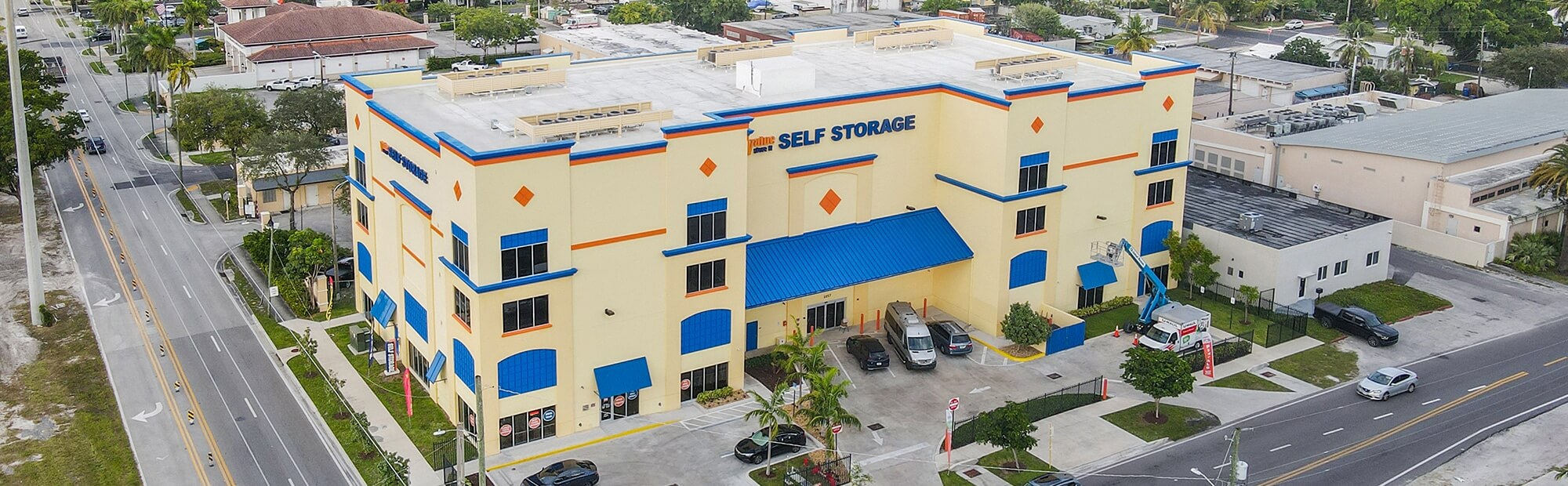
Value Store It’s Virginia Gardens facility sits on NW 36th Street inside the village, the same road you’ll be driving for everything else in your first month. Rentals are month-to-month with no long-term contract, which matters when a closing date and a move-in date refuse to line up. A 5×5 locker takes boxes, files and off-season clothes. A 10×5 unit holds a furnished bedroom through a renovation, and a 5×15 takes the contents of a studio apartment. Bigger households step up: a 10×15 fits a two-bedroom apartment, a 10×20 holds a three-bedroom home, and a 10×30 is what people take when a four-bedroom home lands before the new one is ready. Boxes and moving supplies are sold on site, and moving carts are there to use.
Frequently Asked Questions
What’s the cost of living in Virginia Gardens?
Housing sets it. The median property value was $457,600 in 2024 against a median household income of $70,469, with a 56% homeownership rate (Data USA). Commuting costs stay manageable on a 22.1-minute average commute, but property insurance and year-round air conditioning are line items relocating buyers underestimate.
What’s the population of Virginia Gardens, Florida?
The Village describes itself as home to about 2,300 people, and the community is predominantly Hispanic or Latino. It’s one of the smallest municipalities in Miami-Dade County, which is why so much of daily life happens over the border.
Is Virginia Gardens a good area?
For the right buyer, yes. You get a house on a quiet grid, a village police department, a park, a short commute and a median age of 45.2 that reflects how long people stay put. The trade-offs are just as clear: aircraft noise from the neighboring airport, very few homes on the market, and no supermarket, mall or hospital inside the limits.
Where is Virginia Gardens in Florida?
Virginia Gardens sits in Miami-Dade County, northwest of downtown Miami, bordered by Miami International Airport to the south and Miami Springs to the north and east. Hialeah is just to the north, and Doral is west along NW 36th Street.
What does it cost to move to Virginia Gardens?
That depends on distance, household size and whether you drive the truck yourself, so run the numbers with a moving cost calculator before committing to a date. Two local factors change the math: a rainy season from late May to mid-October that complicates summer move days, and small closets in older homes that push a lot of arrivals into short-term storage.
Settling In
Virginia Gardens rewards people who want a small, quiet, low-turnover street inside a large metro and don’t mind a short drive for the rest of it. Learn the two corridors, pick a bakery and get the storm plan in place before June.