
Moving to Lakeville, MA means buying into a rural town of about 11,500 people where the median owner-occupied home is valued at $503,200 and the property tax rate is $9.74 per $1,000. There’s no downtown, and the big supermarkets are over the line in Middleborough and Raynham. What you get instead is five large ponds, four golf properties, a regional high school shared with Freetown and a commuter rail station about 10 minutes away. This guide covers cost, neighborhoods, work, schools, the seasons and your first month.
The Three Roads a Lakeville Week Runs On
Daily life in Lakeville runs along three roads, and learning them is the fastest way to stop feeling lost. Route 105 (Main Street) and Route 18 (Bedford Street) cross at Lakeville Center, where Town Hall, the public library and the Route 18 Antique Mall sit around the junction. Route 140, the Taunton-New Bedford Expressway, carries you north to Taunton and south to New Bedford.
The fourth piece of the map is water, and it shapes your driving more than anything else. Assawompset, Pocksha, Great Quittacas, Little Quittacas and Long Pond take up a big share of the town’s 36.1 square miles, about 6.6 of which is water, according to Lakeville’s census figures. Getting from one side of town to the other is usually a loop around a pond rather than a straight line.
Understand one thing before you fall in love with the pond views. The Assawompset Pond Complex supplies drinking water to Taunton and New Bedford, nearly a quarter-million people, so most of the big ponds are reservoirs you can’t swim or paddle in. Long Pond is the exception: it’s open for swimming, boating and fishing, and Clear Pond Park is the town beach. You’ll have water to get into, just not all of it.
The last thing to absorb is that errands leave town. Groceries, pharmacies and anything resembling a mall are in Middleborough, Raynham, Taunton or Dartmouth. The town’s own retail amounts to a farm stand, an antique mall, a dollar store, a coffee counter and a handful of restaurants.
What It Costs to Buy Into Lakeville
Lakeville is an owner-occupied town, and the numbers say so. The Massachusetts Municipal Association lists 4,123 households with an 84.5% owner-occupancy rate, a median owner-occupied home value of $503,200 and a median gross rent of $1,715. Rental stock is thin. If you plan to rent here for a year while you look, expect a short list and real competition for it.
Listings move, so check current sale prices and days on market with a local agent before you set a budget. The assessed values above are a floor for planning, not a prediction of what you’ll pay in a competitive spring.
Property taxes are the piece that surprises people coming from a city. The Lakeville Board of Assessors posts an FY26 rate of $9.74 per $1,000 of value, and the Select Board again kept a single rate for residential and commercial property alike. That’s a real cost, but it buys a low-density town where the budget is voted at open town meeting rather than set by a council, so residents have a direct say in what gets funded.
Where to Live in Lakeville, Neighborhood by Neighborhood
Lakeville has no formally named neighborhoods, so residents describe where they live by road. The five areas below are a practical way to divide the town, and each suits a different kind of buyer.
Lakeville Center: Town Hall, the Library and a Brewery
Lakeville Center, at the junction of Routes 18 and 105, is the closest thing the town has to a core. Town Hall sits at 346 Bedford Street, with Red Hand Brewing right beside it at 348, the Route 18 Antique Mall at 330 and the public library around the corner at 4 Precinct Street. The library opened in 2005 and belongs to the SAILS Library Network, which makes its holds list far bigger than the building.
Elliot Farm’s stand at 202 Main Street is about half a mile from the junction. It sells Butter ‘n Sugar corn, baked goods, dairy and meats, offers U-pick flowers from July 1 through October and pumpkins in the fall, and holds its ticketed Harvest Fest on October 10, 2026. Red Hand is the town’s taproom, with lake views, fire pits, a food truck and a calendar of trivia, bingo and open mic nights. It’s all spread over about half a mile, so plan on short drives rather than a walkable village.
North Lakeville: Main Street, Lakeville Station and I-495
North Lakeville, along Route 105 (Main Street) running northeast toward Lakeville station, is the town’s everyday commercial strip and the best area for anyone with a highway commute, since I-495 runs along the town’s north end. It’s also the most car-dependent part of a car-dependent town.
Buyers who want their errands close should look here. Baldie’s Craft Pizzeria at 40 Main Street has a wood-fired brick oven and a rotating draft list, and Dollar Tree and Seasons Corner Market, home to a Marylou’s Coffee counter, are on the same stretch. At the town’s northern tip, the Harding Street plaza on Route 44 holds JK Cafe and Saga Sushi.
Precinct Street and Clear Pond: Ball Fields and the Town Beach
Families with school-age children should know where the town’s recreation is. Ted Williams Camp at 28 Precinct Street, which the Red Sox left fielder ran as a baseball camp from 1958 to 1986 and the town now owns, has playing fields, sports courts, access to Loon Pond and the Loon Pond Lodge.
Clear Pond Park at 49 Clear Pond Road is the town’s freshwater beach, and it’s worth understanding before you buy. It’s a pass beach rather than a walk-on one, running a short season from late June into late August. Season passes go to residents of Lakeville and, in recent seasons, Middleborough and Freetown, everyone else comes in as a pass holder’s paying guest, and gate passes are sold for cash or check rather than card. The town’s Park Commission sets the prices and dates each spring, so check them before the season. Living here makes a summer of beach days simple.
Long Point Road and Betty’s Neck: The Conservation Side
Out along Long Point Road is the quietest, least developed place to live in Lakeville. Betty’s Neck covers 350 acres with about 3 miles of trails through fields and oak woods along the Assawompset shore, open dawn to dusk, with leashed dogs allowed, gravel parking and no facilities. Bald eagles nest here.
Living out here means trading convenience for quiet, and the trade is real. There’s no commercial anything on this side, and the access to Betty’s Neck runs down a private cranberry bog road. If you work from home and want woods out the window, this is the part of town that delivers it.
County Street and Rhode Island Road: Farm Country With Golf
The west and south edges of Lakeville, along County Street and Rhode Island Road toward Freetown and Taunton, read as farm country with businesses strung along the road frontage. LeBaron Hills Country Club and its public Sunset Grille sit on Rhode Island Road, and Fat Cousins Pizza, JMAC’s On The Pond and the Broken Tee simulator club are on County Street.
Life out this way moves slower, which suits buyers coming from a denser suburb who want land. The trade-off is distance from I-495 and a longer drive to anything on the north end, with East Freetown and Taunton often the nearer errands.
Work, Commuting and the Middleborough Train
Lakeville’s best-known business is Ocean Spray, the cranberry growers’ cooperative, whose headquarters is at 1 Ocean Spray Drive on the Lakeville-Middleborough line. Most working residents commute, though, and the honest picture is a set of drives: Taunton, the Raynham corporate corridor, New Bedford and Fall River are the usual destinations, and Providence is about 40 minutes away. There’s no local job market to speak of beyond the bogs, the schools, the golf clubs and a handful of shops, so budget for a commute rather than a short hop. The Massachusetts Municipal Association puts income per capita at $52,988.
Get the train right, because this is where new residents make an expensive mistake. Regular MBTA commuter rail service to Boston moved to the new Middleborough station when it opened on March 24, 2025 under the South Coast Rail project. The station still called Lakeville now serves only the seasonal CapeFLYER. If you’re commuting to Boston, your station is in Middleborough, about 10 minutes from the town center.
Driving to Boston, about 40 miles north, is the alternative, and it’s a poor one. Figure about an hour without traffic on Route 24 and the expressway, plus parking at both ends. The train from Middleborough into South Station is what makes a Boston job workable from here, and it’s the single calculation worth doing before you sign anything.
Schools in the Freetown-Lakeville Regional District
Lakeville doesn’t run its own school department. The town shares one with Freetown in the Freetown-Lakeville Regional School District, and Apponequet Regional High School serves grades 9 through 12 for both towns, with teams that compete as the Apponequet Lakers. The regional structure is worth knowing when you compare listings, because a Lakeville address and a Freetown address feed the same high school.
The practical consequence for a mover is transport rather than test scores. The district covers two rural towns and a lot of road miles, so after-school activities often mean a parent driving. Families moving from a walkable suburb should factor that into how many cars they’ll need.
Winter, Water and How the Seasons Change the Town
Winter is the honest constraint in this market. Snow, ice and nor’easters typically run from December through March, and the back roads out by the bogs are the last places you’d want to be during a storm.
Summer is when the ponds pay you back. Long Pond is a 1,780-acre great pond known for largemouth bass and bass tournaments, and it’s the only pond in the complex that permits swimming, with boating and fishing allowed too. There’s no public beach on it. The public concrete boat ramp is run by the Town of Freetown, off Route 18 in Freetown at the pond’s southeast corner, and a parking fee may apply on weekends and holidays. Tamarack Park on Bedford Street has a hand-carry kayak launch into the Long Pond marshes. The pond averages about 6 feet deep, with submerged rocks to watch for.
Boat ownership is common here and driveway space isn’t infinite once the plow comes through, which is why seasonal boat storage is a routine expense for people who fish Long Pond. The same logic applies to a second vehicle or a summer car, and car storage keeps it off a driveway that has to be cleared at 5 a.m. after a storm.
Fall is the season that sells the town. The cranberry harvest runs from mid-September to early November, with most of it in October. Massasoit State Park’s 1,200-plus wooded acres in East Taunton, near the Lakeville line, turn color, and the Lakeville Arts & Music Festival fills the town center on October 3, 2026, with live music and handmade crafts. If you want a month-by-month picture before you commit, our guide to the best time to visit Lakeville breaks the year down.
Practical Details New Residents Learn the Hard Way
Closing dates rarely line up, and Lakeville’s thin rental market makes the gap worse than it would be in a city. Buyers often close on a sale weeks before they close on a purchase, and a 5×10 unit holds the contents of one room while you wait. Plan for the gap rather than assuming it won’t happen.
Errands need a route, not a destination. The nearest big supermarkets are in Middleborough and Raynham, including Hannaford at 8 Merchants Way in Middleboro, and anything involving a department store means the Dartmouth Mall area down Route 140 and I-195. The Dollar Tree on Main Street keeps late hours, which is genuinely useful during a move. Our Lakeville shopping guide covers what’s actually worth the drive.
Learn how the town governs itself before your first spring. Lakeville was settled in 1717 as the western parish of Middleborough and incorporated as its own town in 1853, and it still operates by open town meeting with a select board and a town administrator. Budget questions, including override votes, are decided in a room by residents who show up. That’s either the appeal of the place or the frustration of it, depending on your temperament.
Your First Month in Lakeville
Downsizing is a common move into this town, because a lot of buyers here are trading a bigger suburban house for land and quiet. A 10×10 storage unit holds a one-bedroom apartment’s worth of furniture, which is often about what won’t fit once you measure the new rooms. Working through a moving checklist a few weeks out is what keeps that from becoming a garage full of unopened boxes.
New England basements are damp, and a town with this much water is no exception. Paper records, upholstered furniture, electronics and anything wooden hold up better in climate-controlled storage in Lakeville than in a cellar that swings from humid in August to freezing in January. Sort what goes in the basement and what doesn’t before you unload the truck.
Then go eat somewhere. The town’s own kitchens are few but real, and the towns around it are where the choice lives, from the taverns and diners in Middleborough to the New Bedford waterfront. Our roundups of the best restaurants in Lakeville and the best brunch near Lakeville are the shortcut to figuring out where locals actually go.
Frequently Asked Questions
Is Lakeville, MA a good place to live?
Lakeville suits people who want land, quiet and water views and don’t mind driving for everything else. In 2012, Boston Magazine named it one of its best places to live, calling it an overlooked waterfront retreat. The honest counterweight: no downtown, supermarkets out of town, thin rentals and a lot of driving. If walkability matters to you, this is the wrong town.
Is Lakeville, MA a wealthy town?
Lakeville is comfortable rather than wealthy. The Massachusetts Municipal Association puts the median owner-occupied home value at $503,200 with an 84.5% owner-occupancy rate and a median gross rent of $1,715. This is a working town of farms, bogs and commuters rather than an estate market.
What’s Lakeville, MA like?
Lakeville is a rural town of about 11,500 people (2020 census) in southern Plymouth County, roughly 40 miles south of Boston, built around five large ponds and a lot of cranberry bogs. Ocean Spray’s headquarters sits on the Lakeville-Middleborough line. There’s a town center at Routes 18 and 105 with Town Hall, the library and a brewery, a commercial strip on Route 105 in north Lakeville, and conservation land along the ponds.
What’s there to do in Lakeville, MA?
Outdoors is the answer most weeks. Betty’s Neck has about 3 miles of trails along Assawompset Pond, Ted Williams Camp has fields and courts, and Long Pond is open for swimming, boating and bass fishing. Ice on the ponds is never guaranteed, so check with the town before going out on it. Add four golf properties, an indoor simulator club, a brewery taproom, an antique mall and the October arts festival.
Is there a golf club in Lakeville, MA?
There are four, which is remarkable for a town this size. Poquoy Brook Golf Club is a public Geoffrey Cornish parkland course playing to par 72 at 6,762 yards. Lakeville Country Club is public, par 72 at 6,335 yards, and open year-round when weather allows. LeBaron Hills Country Club is a private members’ club with a public restaurant, and Heritage Hill is an executive par-54 course.
Storage Options at Value Store It in Lakeville
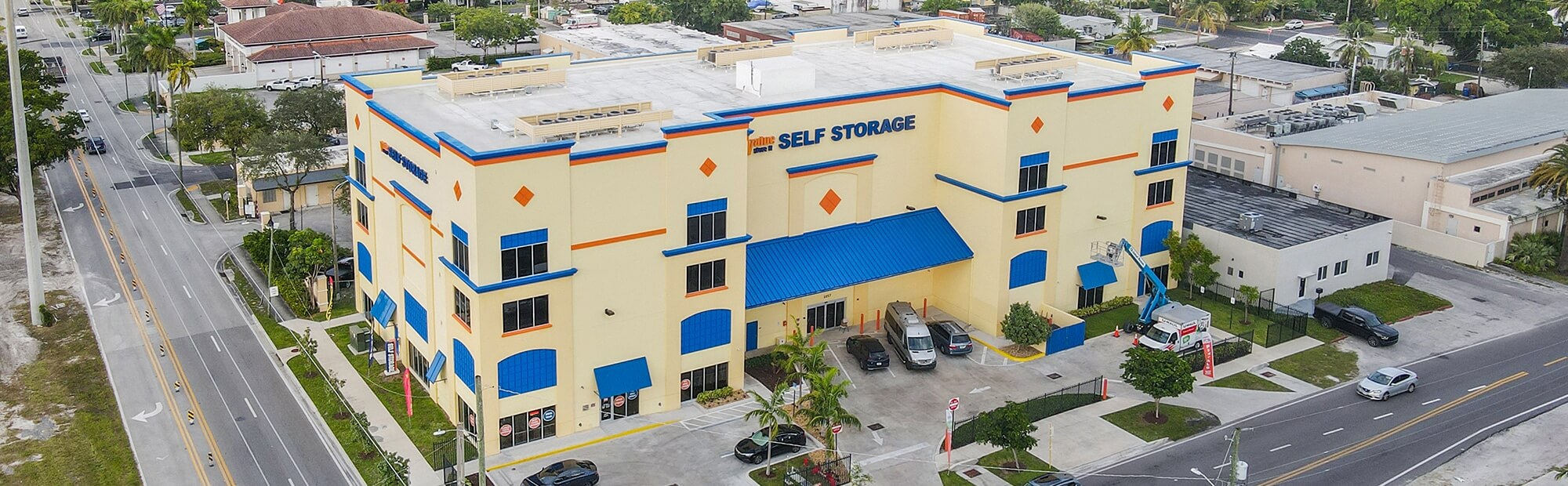
Most moves into Lakeville include a stretch where the old house is empty and the new one isn’t ready. Value Store It’s Lakeville facility on Main Street rents month-to-month with no long-term contract, so you can take the space for the gap and hand it back when the last box is unpacked. Moving supplies are sold on site, which saves a separate errand on the worst week of the process.
The smaller units cover overflow rather than whole homes. A 5×5 locker, about the size of a small closet, takes seasonal clothes, holiday bins and boxes. 10×5 spaces hold the contents of one room, and 5×15 units take the contents of two rooms, roughly a studio apartment. Larger sizes track whole homes: 10×15 units suit a two-bedroom apartment. 10×20 units fit a three-bedroom home. A 10×30 space takes a four-bedroom home, or a car plus lawn equipment. If you’re not sure which one fits, the storage unit size calculator beats guessing at the counter.
Moving to Lakeville rewards people who plan the boring parts. Sort out the train, the school district, the pond rules and where the surplus furniture goes, and what’s left is a quiet town with good water and a better fall.