The best time to visit West Palm Beach is April and May, when temperatures sit in the 70s and 80s, the winter crowd has gone home after Easter and hotel rates drop before the summer heat arrives. October runs a close second. November through April brings the most dependable weather of the year and charges for it, with the peak from January to March. This guide splits the calendar into four windows and says what each one costs you in weather, crowds and price.
The Local Calendar: Two Seasons and Two Short Shoulders
West Palm Beach doesn’t run on four seasons. Locals use "season" as a proper noun for the stretch from November through April, when the population swells, the good restaurants stop taking walk-ins and Okeechobee Boulevard slows to a crawl. Every other week on the calendar is priced against that block.
The second thing that shapes a trip is whether a place has a roof. Outdoor institutions work the cool half of the year: the West Palm Beach GreenMarket runs Saturday mornings on the Great Lawn from October into late May, the Ann Norton Sculpture Gardens closes for summer, and the manatees at Manatee Lagoon only turn up once the water goes cold.
One geographic fact changes what your dates buy. West Palm Beach has no ocean beach of its own. The Atlantic sits about 5 minutes east across the Intracoastal Waterway in the separate town of Palm Beach (VISIT FLORIDA), where the public beach, Worth Avenue and The Breakers are, and where parking is metered year-round.
November Through April: High Season, Perfect Weather and Peak Prices
November through April gives you the best weather in West Palm Beach and the highest prices for it. January is the coolest month, with highs of about 75°F and lows of about 58°F, and February is the driest at 2.63 inches of rain, according to the NOAA normals for Palm Beach International. Snowbirds arrive in November and stay through Easter, and January to March pushes rates and restaurant waits to their annual peak.
The events calendar is what you’re paying for. The South Florida Fair fills the fairgrounds on Southern Boulevard from January 15 to 31, 2027. Wellington, 30 minutes west, runs the Winter Equestrian Festival from January 6 to April 4, 2027, and the National Polo Center holds Sunday polo from December 27 through May 2, with its high-goal Gauntlet of Polo running late January to mid-April (Town-Crier).
The PGA Tour’s Cognizant Classic comes to PGA National in Palm Beach Gardens from February 24 to 28, 2027, the best week of the year to plan around West Palm Beach golf courses. The Palm Beach International Boat Show lines Flagler Drive from March 17 to 21, 2027, and the Houston Astros and Washington Nationals hold spring training at CACTI Park of the Palm Beaches in February and March.
Book restaurants before anything optional. Table 26 fills with the season crowd, and a downtown patio table is worth the most in this half of the year. Rooms follow the same curve, so settle where to stay in West Palm Beach early. Snowbirds who drive a motorhome down and fly home in April need somewhere to keep it, and RV storage in West Palm Beach is the ordinary answer.
April and May: The Shoulder Window Locals Recommend
April and May are the best trade-off on the West Palm Beach calendar. Temperatures sit in the 70s and 80s, the winter crowd clears out after Easter and rates fall before the heat sets in. May is the true shoulder month, when you get most of the weather for a fraction of the winter price.
Early May used to belong to SunFest, but the festival didn’t take place in 2026 and has no future dates, so the waterfront and its hotel rooms are yours.
These are the right weeks for what you’d skip in August. The 5.5-mile Lake Trail runs along the Intracoastal on the island past the old estates, free to walk or ride. John D. MacArthur Beach State Park, 20 minutes north, has 1.6 miles of beach with snorkeling and kayak rentals, and it’s the quietest good beach near the city. Push further and you’re into day trips from West Palm Beach territory.
April is also when the city empties out. Residents heading north for six months often leave a second vehicle behind rather than drive it twice, which is what car storage is for.
June Through September: Low Rates, High Heat and a Daily Afternoon Storm
June through September is the cheapest time to visit West Palm Beach and the hardest stretch to spend outdoors. Highs run about 88°F in June and September and about 90°F in July and August, with lows in the mid-70s. August is the wettest month at 8.68 inches, followed by June at 8.48 and September at 7.96. The afternoon thunderstorm is usually short rather than a day-ruiner, so the summer plan is outdoor mornings and indoor afternoons.
Morning is the whole difference outdoors. The Palm Beach Zoo opens at 9 a.m. and midday there in July is punishing, and the Lake Trail is a before-10 a.m. ride.
Indoors, the city is better stocked than its reputation suggests. The Norton Museum of Art is open every day but Tuesday. The Cox Science Center and Aquarium in Dreher Park holds families for 4 or 5 hours, and the Richard and Pat Johnson Palm Beach County History Museum in the 1916 courthouse downtown runs Monday to Saturday, free to enter with a $12 ticket for its current special exhibit. When the point is air conditioning rather than culture, The Gardens Mall in Palm Beach Gardens is fully enclosed, which is why locals pick it over open-air centers in August.
Summer’s free programming is mostly after dark. CityPlace runs its Neighborhood Nights series on summer Fridays, and Worth Avenue’s Wednesdays on Worth promotion runs from mid-July to mid-August. For a wet afternoon, the full list of things to do in West Palm Beach covers the rest.
Humidity is the part visitors underestimate and residents plan around, which is why anything worth keeping does better in climate-controlled units than in a garage in August.
September and October: Storm Peak and the Road Back to Season
September pairs low prices with the highest storm risk. Atlantic hurricane season runs June 1 through November 30 and peaks around September 10, with most activity from mid-August to mid-October. That isn’t a reason to skip the city. It’s a reason to book a refundable rate and watch the forecast the week before you travel.
A named storm rarely costs a whole trip, but it can close attractions, cancel flights and shut the beaches for a couple of days. Boat owners run the same calendar in reverse, hauling out ahead of a forecast, which is why boat storage off the water is part of owning one here.
October is when the outdoor city switches back on. The Ann Norton Sculpture Gardens reopens after its summer closure on a Wednesday to Sunday schedule, and the GreenMarket returns to the Great Lawn on October 3, 2026.
November is the turn. Manatee Lagoon opens daily for manatee season on November 15, free to enter, through March 31. Zoo Lights runs select nights from November 21, 2026 to January 4, 2027, the Worth Avenue historic walking tour returns on Wednesdays for $25, and hotel rates climb toward the holidays. November through March is also the only sane window for inland hiking at Jonathan Dickinson State Park in Hobe Sound, 40 minutes north.
Parking, Closures and Getting Around by Season
Parking splits by side of the water. Downtown West Palm Beach runs on garages and metered street parking, and the free trolley stopped running in 2023. The Circuit on-demand electric shuttle covers downtown from 7 a.m. to 9 p.m. daily for a small zone-based fare, and the city’s $1 West Palm Move route along Dixie Highway is rolling out this fall. Palm Beach island is metered, so the local workaround is to leave the car on the mainland and cross by bike from the Brightline station.
Mondays close more than visitors expect. The Flagler Museum is closed Mondays year-round (and fully from September 29 to October 5, 2026), Manatee Lagoon closes Mondays from April 1 through November 14, and Pistache on Clematis Street is closed Mondays in summer. Clematis Street is quiet on a Monday night and loud on a Thursday, when Clematis by Night puts free live music on the Great Lawn from 6 to 9 p.m.
Reservations follow the season rather than the weekday. From November through April, book restaurants a week or two ahead; between June and September you can usually walk in. Downtown is genuinely walkable, but Dreher Park, the fairgrounds, Wellington and the state parks need a car in every month.
Frequently Asked Questions
What’s the rainiest month in West Palm Beach, Florida?
August is the wettest month at an average 8.68 inches, followed by June at 8.48 and September at 7.96, based on NOAA’s 1991 to 2020 normals. February is the driest at 2.63 inches. Summer rain usually arrives as one short afternoon thunderstorm rather than an all-day soak, so a June beach morning is still a reasonable plan.
How many days do you need in West Palm Beach?
Three days covers downtown, the waterfront and one crossing to Palm Beach island. Four or five leaves room for a day trip. In season, add slack for traffic and book dinner before you arrive. In summer, build the same three days around outdoor mornings and indoor afternoons.
Is West Palm Beach expensive?
The date decides it. November through April is the peak for hotel rates and restaurant demand, and prices on Palm Beach island sit above mainland prices in every month. June through September is the cheapest stretch by a wide margin. Free options run year-round, including the Flagler Drive waterfront and Clematis by Night.
What’s the difference between West Palm Beach and Palm Beach?
They’re two separate municipalities on opposite sides of the Intracoastal Waterway. West Palm Beach is the mainland city and the county seat, holding downtown, Clematis Street, CityPlace and the Brightline station. Palm Beach is the barrier island town with Worth Avenue, The Breakers, the Flagler Museum and the public ocean beach.
Is West Palm Beach worth a visit?
Yes, and the answer improves once you pick the right weeks. The city’s tourism bureau counts over 230 days of sunshine a year, and the winter events calendar is deeper than the city’s size suggests. Come between November and April for the events and the dry air, or in May and October for lower rates.
Storage for a City That Runs on a Season
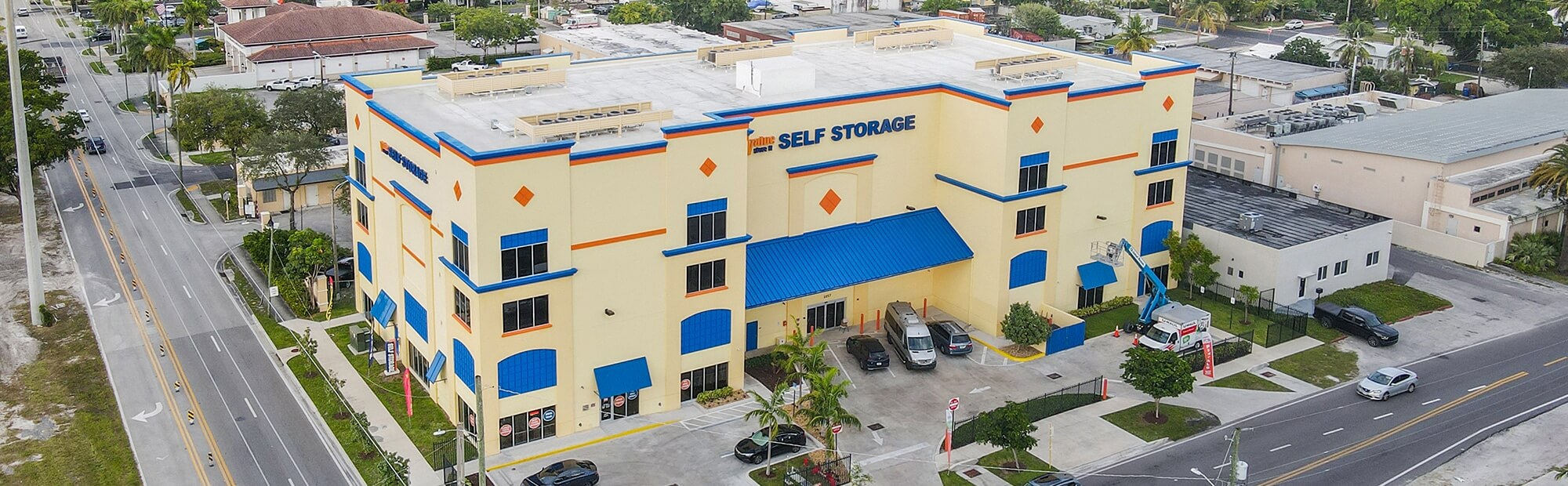
A calendar like this creates a storage problem year-round cities don’t have. People arrive in November and leave in April, a rental gets furnished for six months and emptied for the other six, and hurricane season puts a deadline on anything sitting in a carport. Value Store It’s West Palm Beach facility rents month-to-month with no long-term contract, and climate-controlled units sit alongside boat, RV and car parking.
The sizes track the job. A 5×5 locker takes boxes, luggage and beach gear for a season. The 10×5 layout and 5×10 units each hold the contents of one room, about a furnished bedroom. A 10×10 unit suits a one-bedroom apartment, 10×15 space a two-bedroom apartment, 10×20 units a three-bedroom home and the 10×30 a four-bedroom home. The unit size guide works it out by room count, and if a seasonal move leaves you with more than the place will hold, Value Store It can take the overflow.