
The best time to visit North Lauderdale, FL, is November through April, and November is the smartest single month on the calendar: highs near 81°F, lows near 68°F, about 3.7 inches of rain and rates that haven’t yet climbed to the winter peak. February and March are the driest months, and January is the coolest, if you don’t mind peak-season prices at the beach hotels. Summer is hot, wet and cheaper. Here’s the year season by season, with hurricane season covered honestly and a practical read on what’s worth timing a trip around.
How the North Lauderdale Calendar Actually Works
North Lauderdale runs on two seasons, not four. The dry season stretches from November through April with light rain and tolerable humidity, and the wet season runs May through October with frequent afternoon thunderstorms. The city covers 4.70 square miles, with 44,794 residents recorded at the 2020 Census. The NOAA 1991 to 2020 climate normals for nearby Fort Lauderdale-Hollywood International Airport put the annual average high at 83.5°F, the low at 70.8°F and rainfall at about 61 inches, and every monthly figure in this guide comes from that set.
There’s no beach, no hotel and no downtown strip inside the city limits. Visit Lauderdale describes North Lauderdale as a quiet residential suburb west of Fort Lauderdale, with lodging at national chains 2 to 3 miles away. So timing a visit here means timing a drive: what’s inside the city, what’s 10 to 15 minutes out in Tamarac, Margate and Coconut Creek, and what’s 25 to 30 minutes east at the coast.
Plan the weather around the places you’ll actually be driving to, and check hotels near North Lauderdale before you lock in dates, because rates in this market swing hard by season.
December Through April: Dry Air, Snowbirds and Peak Prices
December through April is the region’s high season, and it earns the reputation. December runs 65 to 78°F with 2.8 inches of rain, and January 61 to 76°F with 2.9 inches. February holds at 63 to 77°F, March warms to 66 to 80°F, both with about 2.4 inches, and April reaches 70 to 83°F. Humidity is low enough that a midday walk is pleasant, which is true of almost no other stretch of the year.
The trade is crowds and cost. Snowbird season fills the western Broward condos and pushes beach hotel rates to their annual peak, highest from December through March. The Winterfest Boat Parade runs December 12, 2026, and the city’s own Holiday Parade falls the same day. Seasonal residents who fly south and leave a second vehicle behind often park it in car storage in North Lauderdale rather than in a driveway.
Fort Lauderdale Beach is the obvious dry-season day out, roughly 25 to 30 minutes east. Fort Lauderdale Beach Park at 1100 Seabreeze Boulevard is open 5 a.m. to midnight, with the Las Olas restaurants a few blocks inland.
Lauderdale-by-the-Sea is the better call if you want to park once and walk. The town’s nearshore reef sits about 100 yards out, close enough to snorkel from the beach, and a walkable strip of shops and restaurants runs along Commercial Boulevard. The El Prado Park farmers market runs Sundays from 9 a.m. to 1 p.m., December through early May. There are no lifeguards on this beach, which is worth knowing before you bring small children.
April is when the city puts on its own show. The North Lauderdale Days festival lands that month, along with the annual egg hunt and its 11,000 eggs. Both come from the city’s parks and recreation department, which hasn’t announced 2027 dates yet, so check closer to spring.
May Through September: Daily Storms and Lower Rates
May is the turn. Temperatures move to 74 to 86°F and rainfall roughly doubles to 5.6 inches as the wet season starts. June is the wettest month of the year at 9.6 inches, July drops to 5.4, and August and September run about 8 inches each, with highs of 88 to 90°F and lows of 77 to 78°F. The storms are short, they usually land in the afternoon and they cool things off, which is why locals book outdoor mornings and indoor afternoons rather than canceling the day. The Fort Lauderdale Air Show typically flies over the beach in May; the 2026 show was May 9 and 10, and 2027 dates haven’t been announced.
Fern Forest Nature Center in Coconut Creek is the summer answer for anyone who still wants to be outside. Its boardwalk and nature trails are shaded, and the shade is the whole reason it works in July when an open park doesn’t.
To swim without driving to the coast, the in-town choice is the Jerry Resnick Aquatic Center at 701 SW 71st Avenue: a junior Olympic-size pool and a water playground, heated in the cooler spring and fall months. There are no water slides at this time. The calendar is the catch: it’s open March through October 31 and closed November through February, so treat it as a seasonal stop rather than something to build a midwinter trip around. The North Lauderdale Sports Complex shares the address, which makes stretching a swim into a full afternoon easy.
For the afternoon thunderstorm, Sawgrass Mills in Sunrise is about 20 minutes southwest and holds more than 350 stores. It’s enormous, so park at the entrance nearest the wing you want and note where you left the car. The Galleria at Fort Lauderdale is the smaller, fully air-conditioned alternative closer to the beach.
Summer heat and humidity are also the reason a lot of residents move anything they care about indoors. Climate-controlled storage in North Lauderdale keeps paper, electronics, instruments and upholstered furniture out of the swing from an air-conditioned house to a 90°F garage and back.
One outdoor plan that survives the wet season is the Tamarac Community Farmers Market at Veterans Memorial Park, 7825 Southgate Boulevard. It runs every Sunday from 9 a.m. to 2 p.m. year-round with free admission. Go early between May and October, before the heat builds.
October and November: The Best Value Window of the Year
October and November are the months locals quietly recommend. October still runs 74 to 85°F with 7.4 inches of rain, so it’s a wet-season month on paper, but November lands at 68 to 81°F with 3.7 inches, lower humidity and thinner crowds. Rates stay closer to their late-summer lows through the fall while the weather turns, and November and early December pair good weather with prices below the winter peak. Visit Lauderdale’s best-time-of-year page points visitors to October through May for mild weather.
Hampton Pines Park, at 7800 Hampton Boulevard, anchors the city’s fall calendar. The park has a lake for fishing and boating, two playgrounds, beach volleyball, a fitness trail and seven rental pavilions with grills. Paddleboats, water bikes, canoes and kayaks rent for $3 per half hour or $4 per hour. Haunted Hamptons takes over the park October 9 to 23, 2026, and the Trunk or Treat Fall Festival runs October 22 at the Sports Complex, per the city events calendar.
Fall is also boat season. The Fort Lauderdale International Boat Show runs October 28 to November 1, 2026. Owners who use their boat hard in fall and less in midwinter often keep it in boat storage between trips instead of on a trailer at home.
Riverwalk Fort Lauderdale is at its best in these two months. The path runs along the New River past boats and skyline views, and it’s free and flat. Walk it in the hour before sunset when the heat drops, then ride the Water Taxi, which runs 10 a.m. to 10 p.m. daily with more than 30 stops, rather than retracing the whole thing.
Pompano Beach, about 20 minutes northeast, is the easiest fall beach day. Lifeguards are on duty from 9 a.m. to 4:45 p.m., and the Pompano Beach Fisher Family Pier sits at 222 N Pompano Beach Boulevard. The Pier Garage at 3460 NE 3rd Street is the simplest place to park. Snowbirds bringing a motorhome south for the season can leave it at RV parking once they’ve arrived.
Hurricane Season and What It Really Changes for a Visit
The Atlantic hurricane season runs June 1 through November 30, and it peaks around September 10, with most activity from mid-August to mid-October, according to the NOAA National Hurricane Center. Any honest guide to a South Florida city has to say that plainly rather than bury it. North Lauderdale sits inland at roughly 10 feet of elevation, which lowers storm surge risk but does nothing about wind, rain and power outages.
In practice, the rare direct hit isn’t what shapes most trips. Modern forecasting gives days of warning, and most storms miss any given town. What actually affects a September visit is the ordinary summer pattern: highs near 90°F, heavy humidity and outdoor plans that need to happen before the afternoon storms.
The upside of that window is real. Late summer into early fall brings the lowest hotel rates of the year, emptier beaches and restaurant tables you can walk into. If you’re traveling in September or early October, watch the forecast, keep travel insurance in mind and build a flexible itinerary rather than a fixed one.
Closures, Parking and Drive Times Worth Planning Around
Almost nothing in North Lauderdale is walkable, so a rental car isn’t optional. The I-95 and Florida Turnpike corridors slow badly at rush hour, and a beach run can take far longer between 4 and 6 p.m. Drive times in this guide assume normal conditions from the middle of the city.
Weekly closures catch visitors more often than storms do. Casa De Amore in Tamarac, one of the more dressed-up rooms nearby, is closed Mondays. Taqueria Jovenazo on Kimberly Boulevard stays open to 11 p.m. on Friday and Saturday but is closed Tuesdays.
Two more timing notes are worth carrying. Butterfly World in Coconut Creek is open 9 a.m. to 5 p.m. Monday through Saturday and 11 a.m. to 5 p.m. Sunday, with last entry at 4 p.m., so an early arrival gives you the most time. It sits inside Tradewinds Park, a Broward County regional park, where the county gate fee of $3 per vehicle for eight or fewer occupants applies on weekends and County-observed holidays but not on weekdays (Broward County Parks fees). At Woodmont Country Club in Tamarac, 18 holes are renovated and the final nine are under renovation in 2026, so call ahead before planning a round there.
For an outdoor evening between May and October, the Promenade at Coconut Creek works after 5 p.m. when a midday walk wouldn’t. It’s an open-air center with a run of restaurants about 15 minutes north. If your trip is longer than a weekend, the things to do in North Lauderdale guide and the list of day trips from North Lauderdale cover what fits around the weather.
Frequently Asked Questions
What’s hurricane season in North Lauderdale?
Hurricane season runs June 1 through November 30 across the whole Atlantic basin, peaking around September 10 with most activity from mid-August to mid-October. North Lauderdale is inland, so storm surge isn’t the main local risk; wind, heavy rain and power outages are. Most seasons pass without a direct hit on any one town, and forecasts give several days of warning before a storm arrives.
What are the rainiest months in Fort Lauderdale, Florida?
June is the wettest month in this part of Broward County at about 9.6 inches. September and August follow at about 8 inches each, and October still runs 7.4. May marks the switch at 5.6 inches after a dry spring. February and March are the driest months at about 2.4 inches each. Rain here usually falls as a short, heavy afternoon storm rather than an all-day drizzle.
What are the worst months for humidity in Florida?
June through September are the stickiest, with daytime highs of 88 to 90°F and overnight lows that barely drop below 77°F. North Lauderdale is inland, so it misses the ocean breeze that takes the edge off at the beach. The dry season from November through April is the most comfortable stretch, which is why the region’s high season lines up with it.
What month is the cheapest to visit Fort Lauderdale?
Late summer into early fall is the cheapest window, when hotel rates across Greater Fort Lauderdale are at their lowest. The trade is heat, rain and the peak of hurricane season. If you want lower prices with genuinely good weather, aim for November or early December, before the peak-season rates settle in.
What’s the worst time to visit Fort Lauderdale?
Late August and September are the hardest stretch: highs near 90°F, heavy humidity, about 8 inches of rain a month and the statistical peak of hurricane season all at once. March is the other month to think twice about, not for weather but because it’s the heart of peak season, with the busiest roads and highest beach rates.
Seasonal Storage Options Near North Lauderdale
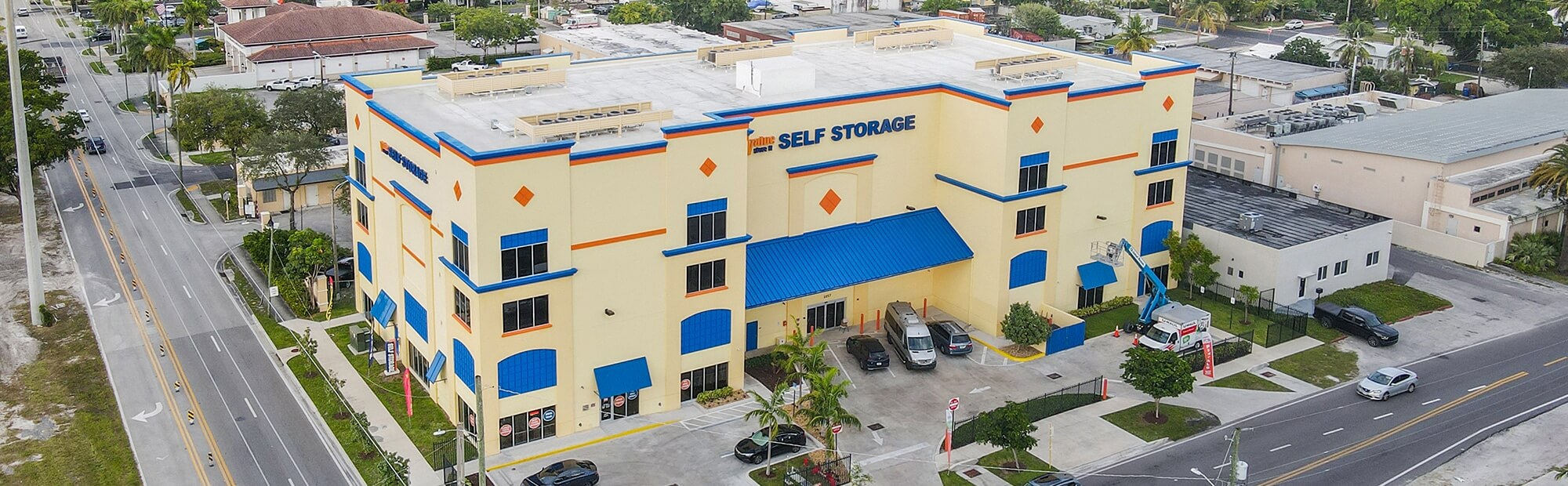
Seasons here move gear more than people expect: beach chairs and paddleboards in summer, holiday bins in December, a boat trailer or a second car that only gets used half the year. Value Store It runs two facilities in the city, both month-to-month with no long-term contract. Our North Lauderdale location carries the widest range, from a 5×5 locker for boxes and seasonal gear through 5×10 and 10×5 units sized to a furnished bedroom. A 5×15 takes a studio apartment, and 10×10 spaces hold a one-bedroom apartment. Above that, a 10×15 fits a two-bedroom apartment, a 10×20 a three-bedroom home and a 10×30 unit a four-bedroom home. RV parking is on that same site.
The North Lauderdale II facility covers the same job a few minutes away, with a 5×5 at North Lauderdale II for boxes, plus 5×10 storage there and the 10×5 option for the contents of one room. A 10×10 at the second site holds the contents of three rooms, and 10×15 storage at North Lauderdale II or the 10×20 at that location handles four or five. Climate-controlled units at North Lauderdale II and the vehicle spaces are there too. If you’re not sure which size fits, the storage size guide is a faster way to work it out than guessing, and the team at either location will walk the sizes with you before you commit. While you’re planning, the roundup of best restaurants in North Lauderdale is a better use of a hot afternoon than a tape measure.