
The best time to visit Fort Lauderdale, FL, is November through April, and the two sweet spots inside that window are November and late April, when the air is dry but the full winter rates and crowds aren’t in play. December through March gives you the most reliable beach weather of the year at the highest prices. Late summer into September brings the lowest rates, along with heavy rain and the peak of hurricane season. This guide splits the year into blocks and tells you what each one buys you on weather, crowds, cost and what’s actually open when you get there.
Two Seasons, Not Four: How the Local Calendar Works
Fort Lauderdale has two seasons rather than four: a warm dry season from November through April and a hot wet season from May through October. The tourism board puts the year-round average at 77°F, with about 3,000 hours of sunshine a year and 24 miles of Atlantic beach across Greater Fort Lauderdale, according to Visit Lauderdale’s fun facts. Temperature isn’t what separates the seasons here. Humidity and afternoon rain are.
Crowds and prices track that split closely. When the humidity drops, the snowbirds arrive, beach chairs go early and hotel rates climb. When the rain returns in May and June, the city quiets down and rates start to fall.
December Through April: Peak Weather and Peak Prices
December through April is the most reliable stretch of weather in Fort Lauderdale and the busiest and most expensive time to be there, with rates highest from December through March. Highs run from the mid-70s to the low 80s with low humidity and about 2.4 to 3.7 inches of rain a month, based on NOAA’s 1991 to 2020 climate normals for Fort Lauderdale-Hollywood International Airport. January is the coolest month, with a normal low of 61°F and a high of 76°F, which is sweater weather at night on an oceanfront patio and perfect by 11 a.m.
The calendar fills up. The Seminole Hard Rock Winterfest Boat Parade takes over the New River and the Intracoastal on December 12, 2026, starting at 6 p.m. The Las Olas Art Fair returns January 9-10, 2027, with a second weekend on March 6-7, 2027. March is peak season, when school breaks and winter visitors fill the beaches and the hotels, though the city has marketed itself away from its old spring-break image since 1986. If you want the season’s weather without its prices, late April is the answer: normal highs reach 83°F and lows 70°F, the winter crowd has thinned and the heat hasn’t set in. Dry season is also the easiest time to spot wildlife on the Shark Valley loop in Everglades National Park, though the lot there typically fills by 10 a.m. from December through April, according to the National Park Service. It’s the same weather that makes this the golf season, and the public courses west of the city sit in our guide to golf courses around Fort Lauderdale.
Seasonal residents shape this market more than visitors realize. Plenty of people keep a Fort Lauderdale winter routine and a home somewhere colder, and the furniture and beach gear that make the winter place work have to live somewhere for the other months. A 10×10 storage unit holds about a one-bedroom apartment’s worth, which is the usual answer for a snowbird household.
May and June: The Value Window Before the Heat Settles In
May is the best value month in the first half of the year. Normal highs sit around 86°F with lows near 74°F, the winter crowd has gone and rain climbs to about 5.6 inches for the month as the wet season starts. June is where the wet season fully announces itself: highs reach the upper 80s and it’s the wettest month of the year, with a normal of about 9.6 inches spread across afternoon thunderstorms.
Water is the reason to come in this stretch. A three-tiered living coral reef runs close to shore, alongside more than 76 artificial reefs, and Sea Experience runs snorkeling trips and PADI scuba courses from its marina at 801 Seabreeze Boulevard. Book a morning departure, because wind and storms both tend to build through the afternoon.
Late spring is when relocations pick up, since leases turn over and the schools break. Anyone landing here between one lease and the next needs somewhere for the boxes and seasonal gear that won’t fit in a hotel room, and a 5×5 storage locker, about the size of a small closet, covers a few months of that.
July Through September: Hot, Wet and the Lowest Rates
July through September brings the lowest hotel rates of the year in Fort Lauderdale and is the hardest stretch to plan around. Highs hold at 88°F to 90°F, humidity does more to how a day feels than the thermometer does, and thunderstorms arrive most afternoons. August and September are both wet, at about 7.9 and 8 inches, and September sits at the statistical peak of hurricane season, which is exactly why it’s so quiet and carries such good hotel value.
Locals don’t fight it; they schedule around it. Outdoor plans move to early morning and back out after 6 p.m., since the storms usually pass quickly. For the middle of the day, the Museum of Discovery and Science is the city’s default rainy afternoon, Xtreme Action Park handles teenagers with indoor go-karts and bowling, and The Galleria at Fort Lauderdale is enclosed and air-conditioned within reach of the beach hotels. If a summer rate is what gets you here, our guide to Fort Lauderdale hotels sorts the beach properties from the downtown ones.
Summer humidity is also why storage decisions here differ from storage decisions up north. Anything with paper, fabric, wood or electronics in it does better in climate-controlled storage in Fort Lauderdale than in a garage between May and October.
October and November: The Shoulder Season Locals Book
October and November are the shoulder months, and November is arguably the single best month of the year. October is still a wet-season month, with normal highs around 85°F and about 7.4 inches of rain, but it cools as it goes. November settles around 68°F to 81°F with the dry season underway and rates still short of their winter peak.
Check one thing before you book. The Fort Lauderdale International Boat Show runs October 28 to November 1, 2026, across six locations including Bahia Mar and Pier Sixty-Six Marina, and it pulls serious demand into hotels along the Intracoastal and the 17th Street Causeway, so rooms that week behave like winter rooms. November is also the best window for drives out of town, and our day trips from Fort Lauderdale guide covers those with real drive times.
Hurricane Season and What It Actually Means for a Trip
Atlantic hurricane season runs June 1 through November 30, with a statistical peak on September 10 and most activity falling between mid-August and mid-October, according to the NOAA National Hurricane Center. That’s the honest version, and it’s the part most travel pages skip.
In practice, the risk is narrower than the reputation suggests. Most storms miss any given city, forecasting gives days of warning rather than hours, and a named storm doesn’t mean a ruined week. Buy travel insurance on a September or October booking and take a refundable rate.
For residents, the season is more logistical than dramatic. Tropical storms can bring street flooding to low-lying neighborhoods near the water, and the annual routine is clearing the patio and the balcony before the wind arrives. A 5×15 storage unit holds the contents of two rooms, so patio furniture, paddleboards and a grill fit without much thought.
Parking, Closures and What Shuts on Mondays
Monday is the quiet trap in Fort Lauderdale. Bonnet House Museum and Gardens is open Tuesday through Sunday from 11 a.m. to 4 p.m. and closes Mondays, holidays and the weekend of the Fort Lauderdale Air Show, which is typically in May. NSU Art Museum Fort Lauderdale is also closed Mondays, though it’s free for children 12 and under and for students aged 13 to 17, and free for everyone on the first Thursday of the month, when hours run 11 a.m. to 7 p.m. (NSU Art Museum).
Parking is the other thing to plan. Beach parking near Las Olas gets competitive on weekends in any season. Hugh Taylor Birch State Park is open 8 a.m. to sunset every day and charges $6 per vehicle carrying two to eight people, according to Florida State Parks, which makes it one of the cheapest full beach days in the city with a car full of people.
Walkability is narrower than the maps suggest. Las Olas Boulevard, the Riverwalk and the beach promenade all work on foot, and the Water Taxi runs daily from 10 a.m. to 10 p.m. between downtown and the beach. You can buy tickets at the dock on the day, though advance ticket holders board first. Everything else needs a car. For the rest of the itinerary, start with our roundup of things to do in Fort Lauderdale.
Frequently Asked Questions
What’s the best month to go to Fort Lauderdale?
November and late April are the two best times. Both sit inside the dry season with highs in the low 80s and low humidity, and both fall outside the December through March price peak. November runs about 68°F to 81°F, and April about 70°F to 83°F. If you want the most reliable beach weather and don’t mind company, February is the safest winter bet.
What month is the cheapest to visit Fort Lauderdale?
Late summer into September usually brings the lowest rates. It’s a wet, quiet stretch that sits at the statistical peak of hurricane season, and hotel rates fall accordingly. The trade is real heat, frequent afternoon storms and the need for travel insurance, but the beaches and restaurants are far less crowded.
When is hurricane season in Fort Lauderdale?
Atlantic hurricane season runs June 1 through November 30, peaks statistically on September 10 and concentrates most activity between mid-August and mid-October, according to the National Hurricane Center. A trip in June or early July carries far less risk than one in September. Check the forecast the week before you travel and book a refundable rate at the peak.
What’s the worst time to visit Fort Lauderdale?
Late August through September is the hardest window, combining peak heat, peak humidity, heavy rain and the height of hurricane season. June is technically the wettest month, but it’s early in the hurricane season. March is the other month to think twice about, for a different reason: it’s peak season, so beaches are busy and rates are near their highest.
How many days is enough in Fort Lauderdale?
Three to four days covers the city itself: a beach day, a downtown and Las Olas day, and a boat day on the Water Taxi or a snorkel trip out to the reef. Add two more if you want the Everglades, a Miami run or the Delray and Palm Beach direction, since each of those is a full day.
Storage Options for Longer Stays in Fort Lauderdale
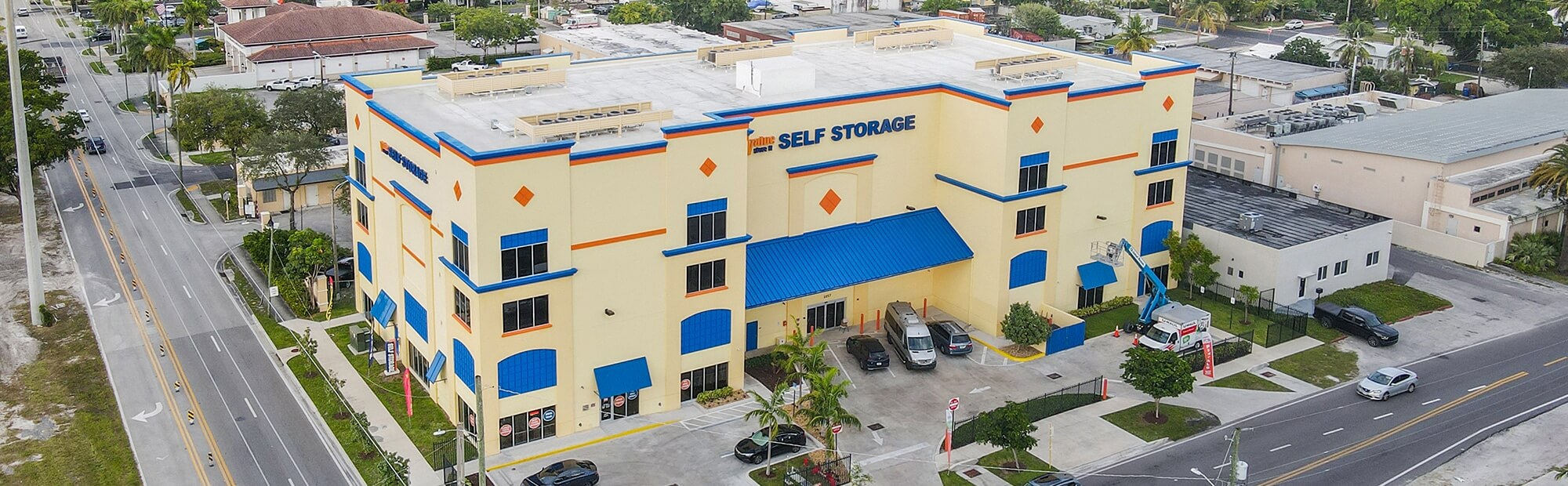
Trips here have a way of turning into seasons, and seasons turn into a second address. Value Store It in Fort Lauderdale rents month-to-month with no long-term contract, which suits a stay measured in months rather than nights. The lineup includes a 5×10 unit, about the size of a small walk-in closet, that holds the contents of one room, and a 10×5 space with the same 50 square feet in a different shape. Larger households step up to a 10×15 unit for a two-bedroom apartment or a 10×20 unit for a three-bedroom home, and a 10×30 unit handles a four-bedroom home. If your visit turns into a longer stay, the Fort Lauderdale location page carries that facility’s own hours and contact details.