
The best things to do in Miami, FL, sit in six areas you can plan a trip around: Miami Beach for Art Deco and open sand, Downtown for the museum park on Biscayne Bay, Wynwood and the Design District for murals and galleries, Little Havana for Cuban food and live salsa, Coconut Grove and Coral Gables for gardens and a 1916 bayfront villa, and Key Biscayne for beaches ten minutes from the skyline. This guide covers 19 places neighborhood by neighborhood, with what each one is like, when to go, and where parking will eat an hour of your day.
Miami's Geography, Neighborhood by Neighborhood
Miami reads as a string of separate neighborhoods rather than one downtown, with Biscayne Bay splitting the mainland from the barrier island. Brickell, Downtown, Wynwood, Little Havana, Coconut Grove and Coral Gables sit on the mainland. The City of Miami Beach sits across the causeways. The Everglades close off the western edge about 45 minutes out.
The city itself is smaller than visitors expect: 442,241 people at the 2020 Census on roughly 36 square miles, inside a metro of about 6.46 million. Much of what people call Miami isn't in the City of Miami at all. South Beach and Lincoln Road belong to Miami Beach, the Biltmore and the Venetian Pool are in Coral Gables, and Zoo Miami sits in unincorporated south Miami-Dade. This guide covers Greater Miami and names the municipality each time.
Distances are short and traffic isn't. Wynwood, Little Havana and the Design District are inside 15 minutes of downtown. South Beach, Coconut Grove, Coral Gables and Key Biscayne run 15 to 30 minutes depending on the causeways, and Shark Valley lands in the 30 to 45 minute band.
Miami Beach: Art Deco, Open Sand and a Design Museum
Miami Beach is the most walkable part of the metro and the easiest place to leave a car parked for two days. The Art Deco district, the sand and the oceanfront path all sit within about fifteen blocks of each other.
Ocean Drive and the Art Deco Historic District
The Art Deco Historic District holds the largest concentration of 1930s resort architecture anywhere, and walking it costs nothing. Start on Ocean Drive, cut over to Collins Avenue, then finish on Espanola Way. Go between 8 and 10 a.m., when the light is good and the sidewalk touts aren't working yet. Eat somewhere else: Ocean Drive dining is the tourist trap locals warn about.
The Wolfsonian FIU
The Wolfsonian FIU holds design objects, propaganda and industrial art from 1850 to 1950, in a former storage building on Washington Avenue. It's the most interesting indoor hour in South Beach and almost never crowded, which is unusual for anything on this island. Check hours before you walk over, since the galleries close between exhibition installations.
South Pointe Park
South Pointe Park caps the southern tip of Miami Beach, and the pier puts you close enough to Government Cut to watch cruise ships slide past. It's free, open until sunset, and has a splash pad and playground if you've got kids along. This is also the best sunrise spot on the beach, a few minutes' walk from the South of Fifth restaurants.
The Miami Beach Beachwalk
The Beachwalk is a paved oceanfront path running most of the length of Miami Beach, tucked behind the dune line. Walk it or rent a bike on Collins Avenue and ride the whole thing. The path is flat, free and completely exposed, so from May through October you want to be on it before 9 a.m. or after 5 p.m.
Downtown Miami: Museum Park and the Bayfront
Downtown Miami packs two major museums and a waterfront park chain into a stretch you can cover on the free Metromover. It's the one part of the city where leaving the car in a garage all day genuinely works.
Perez Art Museum Miami
Perez Art Museum Miami shows contemporary art of the Atlantic world inside a Herzog and de Meuron building with hanging gardens over the bay. PAMM closes Tuesday and Wednesday and is free for everyone Thursdays after 5 p.m., staying open until 9 that night. That's the single best free evening in the city, and the terrace restaurant has one of the better water views downtown.
Phillip and Patricia Frost Museum of Science
Frost Science sits next door to PAMM with a three-level aquarium built around a Gulf Stream tank, the Frost Planetarium, and rotating exhibitions. The museum runs 10 a.m. to 5 p.m., so the two buildings make one museum-park day on shared parking. The monthly laser evenings in the planetarium are aimed at adults, not children.
Bayfront Park and Maurice A. Ferre Park
Bayfront Park and Maurice A. Ferre Park form a continuous waterfront lawn between the museums and Bayside Marketplace, with free yoga classes and an amphitheater that hosts concerts. It's the flattest, shadiest downtown walk if you're pushing a stroller. Bring water anyway, because the southern lawn has almost no cover.
Wynwood and the Design District: Murals, Galleries and Flagships
Wynwood and the Miami Design District sit about ten minutes north of downtown and reward walking. Wynwood is low-rise former warehouses; the Design District is a compact luxury grid with public art between the storefronts.
Wynwood Walls
Wynwood Walls is a 62,000 square foot curated outdoor mural museum with work from more than 130 artists across 30 countries. It's ticketed and open daily 10:30 a.m. to 6:30 p.m., and it occasionally shuts for private events, so check before driving over. Budget an hour inside and an hour on the surrounding streets, where the neighborhood murals are free.
Institute of Contemporary Art Miami
ICA Miami runs contemporary exhibitions in the Design District with a free sculpture garden out the back, and general admission is free too, which makes it the best value hour in a neighborhood where nothing else is cheap. Wynwood's galleries and small labels are a working art economy, and climate controlled storage in Miami is where many of them keep canvas, paper and vinyl that South Florida humidity would ruin.
Little Havana: Calle Ocho, Cafecito and Live Salsa
Little Havana gives Miami its most specific sense of place, and the walkable core is narrower than most guides admit: roughly SW 8th Street between 12th and 17th Avenues. Everything past that needs a car.
Calle Ocho and Maximo Gomez Park
Calle Ocho is the walk: cafecito at a ventanita, dominoes at Maximo Gomez Park, cigar rolling shops, the Tower Theater and Cuban Memorial Boulevard. Do it late afternoon, when the domino tables fill and the heat drops. The street is busiest and best on Viernes Culturales, the last Friday of the month, when galleries stay open and music moves outside.
Ball & Chain
Ball & Chain is the historic Calle Ocho room, and its back courtyard has a pineapple-shaped bandshell with live salsa most nights. Order a mojito and Cuban bar food. Early evening is the version where you can actually get on the dance floor. The Miami nightlife guide covers more rooms like it, and the best restaurants in Miami guide handles dinner nearby.
Coconut Grove and Coral Gables: A Bayfront Villa, a Coral Pool and 83 Acres of Palms
Coconut Grove and Coral Gables are the shaded, older, slower half of Miami. The Grove has banyan streets and sailing marinas; Coral Gables is a planned Mediterranean revival city with strict signage rules and a lot of trees.
Vizcaya Museum and Gardens
Vizcaya Museum and Gardens is a 1916 bayfront villa with formal Italian gardens, a stone barge sitting in the water, and interiors full of European antiques. Vizcaya closes Tuesdays and runs 9:30 a.m. to 4:30 p.m. otherwise, with construction on site, so check before booking. Buy timed tickets online and arrive at opening, because the gardens have almost no shade by midday.
The Venetian Pool
The Venetian Pool in Coral Gables is a 1920s swimming pool carved out of a coral rock quarry, with caves, waterfalls and stone bridges. It's spring-fed and drained seasonally, so confirm it's filled before driving over. Minimum age and height rules apply to small children, and capacity is limited enough that weekends sell out early.
Fairchild Tropical Botanic Garden
Fairchild Tropical Botanic Garden covers 83 acres of palms, cycads and orchids, with the Wings of the Tropics butterfly conservatory at its center. Fairchild runs a free narrated tram; ride it first, then walk back to whatever caught your eye. Allow three hours. The festival calendar is worth planning around: orchids, mangos and the Festival of Chocolate.
Key Biscayne and Virginia Key: Beaches Ten Minutes From the Skyline
Key Biscayne and Virginia Key sit over the Rickenbacker Causeway, which carries a toll of up to $3 each way. The payoff is calm Atlantic water, a 200-year-old lighthouse and a beach day that skips South Beach parking.
Bill Baggs Cape Florida State Park
Bill Baggs Cape Florida State Park anchors the southern tip of Key Biscayne with the 1825 Cape Florida Lighthouse, ranger-led climbs, and one of the most consistently top-rated beaches in the country. It's about 8 miles and 20 minutes from downtown, vehicle entry runs $8, and the gates open at 8 a.m. The Cleat, the bar inside the park, closes when the park does, so treat it as a sunset drink rather than a night out.
Virginia Key Beach Park
Virginia Key Beach Park sits about 5 miles from downtown, and the adjacent Historic Virginia Key Beach Park has restored 1940s buildings and a working carousel. During segregation this was one of the only South Florida beaches open to Black residents, and that history is the reason to come beyond the swimming. The two parks charge separately. Sailing is a year-round habit here, and boat storage in Miami keeps a trailer off a driveway between weekends.
Beyond the Urban Core: Oleta, Zoo Miami and the Everglades
Three of Miami's best outings sit outside the neighborhoods above. Two are inside Miami-Dade County and one is a national park about 45 minutes west.
Oleta River State Park
Oleta River State Park in North Miami Beach is Florida's largest urban state park, with mangrove kayak trails, a graded mountain bike network and a calm swimming beach on the lagoon. The trails are genuinely technical at the advanced end and gentle on the beginner loop, which makes this one of the few outings that works for a mixed-age group. Rent kayaks and bikes at the park, or keep your own boards in a 5×10 storage unit in Miami between trips.
Zoo Miami
Zoo Miami covers 750 acres in south Miami-Dade with roughly 2,000 animals, the Mission Everglades habitat and a sea turtle hospital, making it the largest zoo in Florida by area. Four miles of walkways with limited shade means this is a morning trip in any month with an H in it. Rent the tram or a safari cycle with small children.
Shark Valley, Everglades National Park
Shark Valley is a 15 mile paved loop through sawgrass prairie with alligators lying beside the path and a 65 foot observation tower at the halfway point, about 34 miles from downtown via U.S. 41. Parking is typically full by 10 a.m. from December through April, so arrive at opening. Bike rentals are on site, and the two hour tram tour is worth reserving in winter. The day trips from Miami guide covers what lies further out.
Parking, Closing Days and Hurricane Season in Miami
Tuesday is the day that breaks Miami itineraries. Vizcaya closes Tuesdays, PAMM closes Tuesday and Wednesday, and smaller museums shift hours between installs. Build a Tuesday around beaches, Calle Ocho and Wynwood, then save the museum park for Thursday when PAMM is free after 5 p.m.
Parking is the other tax. The City of Miami Beach runs 66 surface lots, 12 garages and 19 residential permit zones with pay-by-plate stations, and residential zones are enforced hard. Downtown is different: the Metromover is free and drops you at the museums and the arena, and Metrorail is a 25 mile system with a station at Miami International Airport. Households keeping a second vehicle they rarely drive often park it in car storage in Cutler Bay instead of fighting for a space.
Weather sets the schedule from May through October. Miami's wet season brings near-daily afternoon thundershowers that usually pass in under an hour, so put outdoor plans in the morning and museums after lunch. Climate normals for the city come from the National Weather Service office in Miami, based on 1991 to 2020 data at the airport, and the city averages about 62 inches of rain a year.
Hurricane season deserves a straight answer. The Atlantic season runs June 1 through November 30 and peaks on September 10, with the most intense activity mid August to mid October, and an average season produces 14 named storms. Most trips in those months are unaffected, but a September booking should carry refundable rates. The trade is real: late summer is the cheapest, quietest stretch of the year, which is why Miami Beach has run dollar-an-hour parking promotions from August through October.
Frequently Asked Questions
What should I not miss in Miami?
If you only get one day, walk the Art Deco Historic District in the morning, spend the afternoon in Little Havana, and fit Vizcaya or Wynwood Walls in between. Those three cover the architecture, the Cuban culture and the art that make Miami different from every other Florida beach city. Add Bill Baggs Cape Florida State Park if you want sand without a crowd.
What do people do for fun in Miami?
Locals spend far more time on the water and in the neighborhoods than on Ocean Drive. A typical weekend is a morning on Key Biscayne, an afternoon on the Beachwalk or at Fairchild, dinner in Little Havana or the Design District, then live music at a room like Ball & Chain. Boating, cycling the Rickenbacker and kayaking Oleta are year-round habits here.
What can you do in Miami in three days?
Give each day a geography. Day one is Miami Beach: the Art Deco district, the sand and the Beachwalk. Day two is the mainland, with PAMM and Frost Science downtown, then Wynwood Walls and the Design District. Day three heads south and west to Vizcaya, Fairchild and either Key Biscayne or Shark Valley. That order keeps driving down and puts causeway crossings outside rush hour.
What are the best free things to do in Miami?
A lot of Miami costs nothing. The Art Deco district, the Beachwalk, South Pointe Park, Bayfront Park and the Wynwood street murals outside the ticketed walls are all free to walk. ICA Miami charges no general admission, and PAMM is free for everyone on Thursdays after 5 p.m., which is the easiest way to see a major museum without paying.
Is $1,000 enough for four days in Miami?
For one person outside peak season, yes, if you're deliberate about it. Beaches, the Beachwalk and the mural streets cost nothing, museum visits can be timed to free hours, and the Miami Spice prix fixe in August and September cuts restaurant bills. For two people, or during March, Art Basel week in December or spring break, that budget gets tight fast. The best time to visit Miami guide has the month-by-month detail.
Storage for the Gear a Miami Weekend Generates
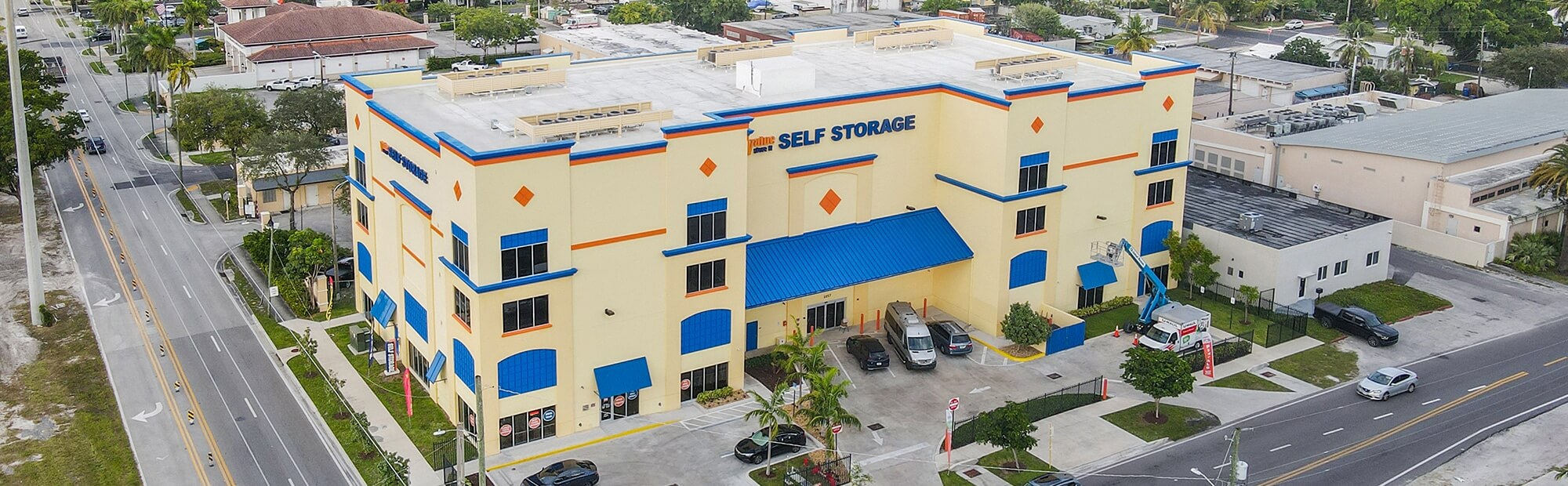
Miami accumulates equipment. Paddleboards, bikes, coolers and folding chairs end up living in a car trunk, and that's before anyone buys a boat. When the apartment runs out of room, Value Store It in Miami rents month to month with no long term contract, a few minutes from the causeways. The lineup covers a 5×5 locker in Miami for holiday bins, 10×10 storage in Miami for a one bedroom's worth of furniture, 10×15 units in Miami and 10×20 storage in Miami for a household between homes, 10×30 space in Miami for business inventory, plus RV parking in Miami and car storage on the Miami site.
South of the city, the Cutler Bay facility suits anyone closer to Zoo Miami or the Redland. Sizes start at a 5×5 unit in Cutler Bay and step through 5×10 storage in Cutler Bay, a 10×5 unit in Cutler Bay, 10×10 storage in Cutler Bay, 10×15 units in Cutler Bay, 10×20 storage in Cutler Bay and a 10×30 space in Cutler Bay, with climate controlled units in Cutler Bay, boat storage in Cutler Bay and RV parking in Cutler Bay.
For anyone flying in and out often, the Miami Airport location is the practical one, with a 5×5 locker near Miami Airport, a 5×10 unit near Miami Airport, a 10×5 unit near Miami Airport, 10×10 storage near Miami Airport, 10×15 units near Miami Airport, 10×20 storage near Miami Airport, 10×30 space near Miami Airport and climate controlled storage near Miami Airport. If you're unsure what you need, the storage size guide sizes it by room rather than square feet.
Miami rewards people who plan around the geography instead of fighting it. Pick a neighborhood, park once, walk it properly, and leave the causeway crossings for the middle of the day. If children are coming, the things to do in Miami with kids guide sorts the same city by age range.