The best time to visit Melbourne, FL is late October through April, when the daily rain shuts off, highs settle into the 70s and low 80s, and the afternoon storm cycle stops. November through early January gives you that weather with the thinnest crowds. March and April bring the same skies plus spring break and snowbird traffic. Summer is hot, wet and loud with thunder, and it owns two things no other season can sell: nesting sea turtles and a lagoon that glows after dark. Here is the year, season by season.
Melbourne's Two Seasons and What Each One Changes
Melbourne runs on a wet season and a dry season rather than four seasons. The National Weather Service Melbourne office puts the average start of the wet season at May 28 and the dry season at October 17. Those two dates matter more than the calendar month, because they mark when the near daily afternoon thunderstorm pattern switches on and off.
The city sits on the Indian River Lagoon about 72 miles southeast of Orlando (Wikipedia). Historic Downtown Melbourne holds more than 40 restaurants and bars along New Haven Avenue with free street parking (Melbourne Main Street), the Eau Gallie Arts District sits just north, and the barrier island is a five minute causeway hop east. Almost everything is inside a 20 minute drive, so no season forces you to change hotels. For what fills those days, start with our guide to things to do in Melbourne.
Late October Through December: The Local Favorite
Late October through December is the stretch residents quietly guard. The rain switches off in mid October, highs slide from the low 80s into the mid 70s, and the humidity breaks. Crowds are thinner than spring, hotel availability is better, and the ocean is still warm enough to swim without flinching.
The King Center for the Performing Arts on North Wickham Road runs its Broadway, symphony and touring season through these months, with The Nutcracker and Cirque Dreams Holidaze on the 2026 to 2027 schedule. Leave the tote in the car, since the venue caps bags at 12 by 6 by 12 inches. Downtown peaks now too: the Saturday farmers market at Riverview Park runs 10 a.m. to 2 p.m. on the waterfront, and Coaster's Pub and Biergarten gives all of October to Oktoberfest.
January and February: Coolest Air, Coldest Water, Best Wildlife
January and February are the coolest months in Melbourne, with lows in the 50s and the occasional night in the 40s. The air is pleasant and the ocean is not, so this is the window for golf and wildlife rather than beach days.
Black Point Wildlife Drive inside Merritt Island National Wildlife Refuge, an hour north, fills with wading birds and migratory ducks on winter mornings, and the seven mile loop can be done from the car. Manatee Lagoon in West Palm Beach only makes sense now, since manatee season runs November 15 through March 31. Both sit in our day trips from Melbourne guide.
Golfers get the best of the year. Spessard Holland in Melbourne Beach, laid out between the Atlantic and the Indian River, uses ocean breeze as its main defense, and morning rounds are calmer. Tee sheets across the Melbourne golf courses fill with seasonal residents, which is also why a 10×10 storage unit holds the contents of a condo closed up each spring.
March and April: The Weather Everyone Wants, and the Crowds That Follow
March and April deliver the best conditions of the year and the heaviest traffic of the year at once. Storms are rare, highs sit in the high 70s to low 80s, and the ocean has warmed enough to be pleasant. Snowbird season overlaps spring break, and you feel it everywhere.
Parking gives first. Paradise Beach and Park and the Indialantic Boardwalk rely on street and lot parking that fills by late morning on weekends, so reach the sand before 10 a.m. Chart House on Front Street runs happy hour and early dining daily from 4 to 6 p.m., and a west facing table for the sunset over Melbourne Harbor is what everyone else wants as well. Line up alternates from our Melbourne restaurant guide.
May is the hinge month. Humidity climbs, the wet season starts around May 28, and crowds thin once spring break ends. For April weather without April demand, aim at the first three weeks of May.
June Through August: Heat, Daily Storms, and the Sea Turtles
June through August is hot and wet, and it is the only window for Melbourne's most distinctive experiences. July and August average around 91 F and August is the wettest month at about 7.7 inches, per an older TripSavvy climate summary last updated in December 2020. The National Weather Service calls the sea breeze collision behind those daily storms the Florida Rain Machine.
Locals plan around the pattern instead of fighting it. Beaches and trails get used before 10 a.m., and afternoons move indoors to Melbourne Square or Brevard Zoo, which opens at 9:30 a.m. with last admission at 4:15 p.m. and has part of its Paws On loop closed for renovation as of August 2026.
Then there is the reason to come in July anyway. The Sea Turtle Preservation Society runs permitted night walks from June through August beside the Archie Carr National Wildlife Refuge, which protects about 20.5 miles of shoreline and is the densest loggerhead nesting site in the country. Spots are limited and they book out. Bioluminescent kayak tours on the Indian River Lagoon peak on dark summer nights, so check the moon phase first.
Summer humidity is why a climate controlled storage unit is standard here for anything wooden, paper or electronic, and why the boards and coolers that clutter a garage all summer land in a 5×10 unit once the season turns.
September and Early October: Warmest Water, Fewest Visitors
September has the warmest ocean of the year at roughly 83 F and the fewest visitors, which is the best value trade Melbourne offers if you accept the risk attached. The catch is that mid August through early October is the statistical peak of hurricane season. Sebastian Inlet State Park, about 30 minutes south on A1A, still has the best surf and fishing on this coast, but conditions swing hard with offshore systems, so check the park's conditions page before driving down.
Hurricane Season, Described Honestly
Atlantic hurricane season runs June 1 through November 30, peaking from mid August into early October. Travel sources covering this stretch of Florida's Atlantic shoreline describe the area as almost always affected by at least one significant storm each season. That does not make a summer trip a bad idea, but it changes how you book one.
Barrier island hotels and beach restaurants board up ahead of a named storm, and evacuation orders often apply to the island while inland Melbourne shelters in place. King tides and post storm erosion can shrink the sand for weeks. Travel insurance stops being optional in September. Our Melbourne hotel guide covers both sides of the causeway, including the Crowne Plaza Melbourne Oceanfront on A1A about 3.5 miles from downtown. Storm prep is also when residents clear a patio in a hurry, and a 5×5 locker holds the furniture, umbrellas and grill covers that cannot stay outside.
Parking, Closing Days, and What Needs a Car
The practical details change more by day of week than by season. Downtown parking is free on the street, which is generous until a festival Saturday or the morning farmers market fills the eight walkable blocks.
Mondays close more doors here than weather does. Crush XI on East New Haven Avenue is closed Mondays and does not open until 4 p.m. Tuesday through Friday, so it is a dinner room only. Renninger's Melbourne Flea and Farmer's Market on West Eau Gallie Boulevard runs Friday through Sunday, 9 a.m. to 4 p.m., and nothing else. Backwater serves 8 a.m. to 2 p.m. daily and takes no reservations.
Historic Downtown Melbourne and the Eau Gallie Arts District are walkable, and staying downtown means the car can sit for a weekend. Everything else needs one: the beaches are ten minutes across the Melbourne Causeway, Brevard Zoo and Viera are 15 to 25 minutes north, and Sebastian Inlet is a 30 minute drive with a per vehicle fee.
Frequently Asked Questions
What is the best month to go to Melbourne?
November is the strongest single month. The rain has shut off after the mid October dry season start, highs sit in the upper 70s, the ocean is still warm from summer, and the spring break and snowbird crowds have not arrived. March delivers similar weather with the year's worst beach parking and restaurant waits.
What is the average temperature by month in Melbourne, FL?
Melbourne averages a high near 82 F and a low near 63 F across the year, with July and August peaking around 91 F and January the coolest month, per an older TripSavvy summary last updated in December 2020. Winter lows drop into the 50s and occasionally the 40s. Ocean temperature peaks near 83 F in September.
How many days in Melbourne is enough?
Three days covers it. One downtown and in the Eau Gallie Arts District, one beach day on the barrier island, and one for Brevard Zoo, Turkey Creek Sanctuary in Palm Bay or the drive south to Sebastian Inlet. Add a fourth if you want Kennedy Space Center, which is a full day rather than a stop.
Is Melbourne Beach nicer than Cocoa Beach?
They serve different trips. Melbourne Beach and Indialantic are low rise, residential and uncrowded, with quiet nesting beaches running south into the Archie Carr refuge. Cocoa Beach, about 35 to 40 minutes north, is busier and more commercial, with a pier and a dense surf shop strip. Choose Melbourne Beach for quiet.
Is Melbourne, FL worth visiting?
Yes, particularly outside summer. You get a walkable historic downtown with more than 40 independent restaurants and bars, an arts district with murals and a brewery, uncrowded Atlantic beaches, a well regarded zoo, and Kennedy Space Center within an hour. It is a quieter, cheaper alternative to Orlando that still puts the theme parks inside a 90 minute drive.
Storage Space While You Are on the Space Coast
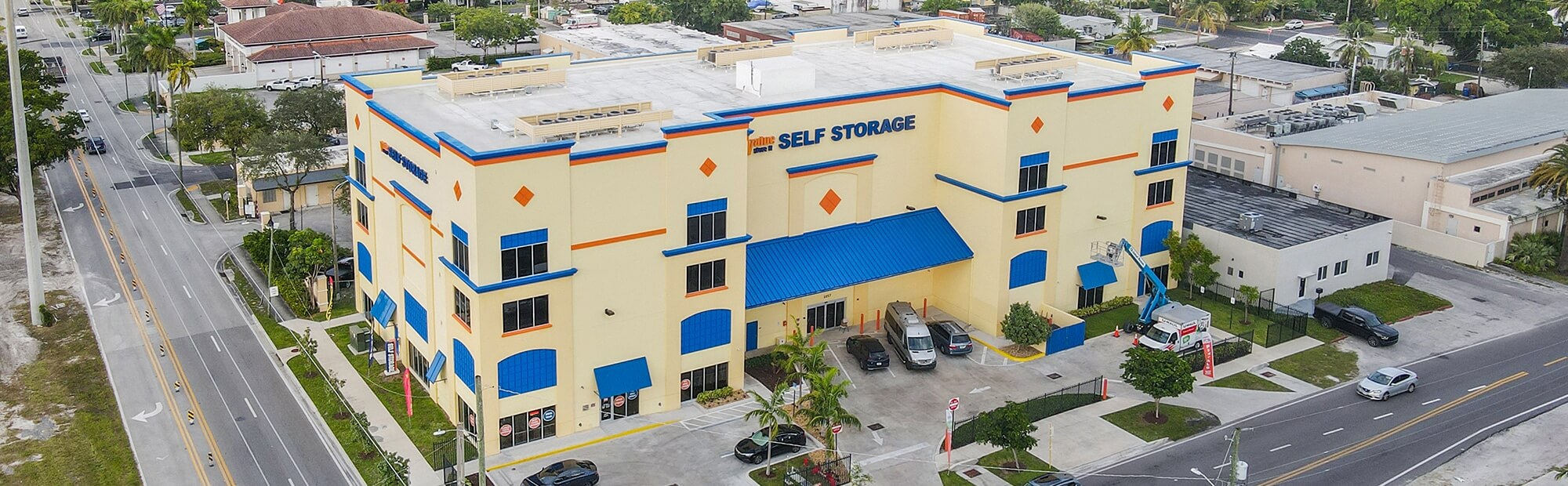
Long visits and seasonal stays create a space problem the guidebooks skip. Value Store It in Melbourne rents month to month with no long term contract and stays open seven days a week, which suits a snowbird schedule. Beyond the sizes already mentioned, the lineup includes a 10×5 unit for a few rooms of boxes, a 5×15 unit shaped for long items like surfboards and bikes, and 10×15 units sized for a two bedroom. Larger 10×20 spaces and the 10×30 space handle a full house or a small business inventory. If you are not sure which fits, work it out with the storage unit size guide first, then come see the unit before you commit.