
Clearwater is built around one of the best beaches in the United States, and almost everything worth doing here is organised around that fact. Clearwater Beach is consistently ranked at or near the top of national beach lists, with a wide shoreline, fine white sand and calm turquoise Gulf water, and the town that has grown around it offers a dolphin rescue aquarium, a nightly sunset festival on a pier, two island state parks reachable by ferry, and a downtown across the bay that has quietly become worth visiting in its own right.
The important thing to understand before planning is that Clearwater is two places. This guide covers both, plus the practical detail that decides whether a day here goes well: parking, timing, and the bridge in between.
Understanding the Geography
Clearwater Beach sits on a barrier island. This is the beach, the resorts, Pier 60, the aquarium's marine areas and almost all the tourism.
Downtown Clearwater sits on the mainland across Clearwater Harbor, connected by the Memorial Causeway. This is the Cleveland Street District, Coachman Park and the civic side of the city.
The causeway is the pinch point and it dominates practical planning. Traffic backs up badly on weekend afternoons in season, and getting from the mainland to the beach at the wrong hour can take three times as long as it should.
Two things fix this. The Jolley Trolley connects the beach, downtown and the neighbouring towns and removes the parking problem entirely. And going early, before ten in the morning, avoids both the traffic and the competition for beach parking, which is genuinely fierce.
Clearwater Beach
The main event. The beach runs for a couple of miles along the Gulf, wide enough that even a busy day does not feel packed, with the fine white quartz sand that this stretch of Florida coast is known for and water that stays calm and swimmable most of the year.
It is a resort beach rather than a wild one, and that is the appeal for most visitors: lifeguards, restrooms, rentals, food within walking distance, and a paved promenade behind it.
Pier 60 Park is the hub. There is a fishing pier, a small amusement area with a Ferris wheel and rides suitable for younger children, and the nightly Sunsets at Pier 60 festival, when street performers, artisans and crafters set up for the two hours around sunset. It runs most nights, weather permitting, it is free, and it is the single most characteristic Clearwater experience.
Sand Key Park sits just south across a short bridge and is the quieter alternative: a wide beach, a park with a playground and picnic areas, and considerably less crowding than the main beach. If Clearwater Beach feels too busy, this is the fix.
Clearwater Marine Aquarium
Not a conventional aquarium. The Clearwater Marine Aquarium operates primarily as a rescue, rehabilitation and release facility for marine animals, and the animals on display are largely residents that could not be returned to the wild.
It became internationally known through its dolphin rescue work, and it has continued to expand. The Pinniped Pier, home to sea lions, is among the newer additions.
It is smaller than a major city aquarium, and visitors expecting scale sometimes come away underwhelmed. Visitors who understand it as a working rescue hospital generally find it the most interesting attraction in the city. Allow half a day, and check the feeding and presentation schedule when you arrive.
Getting Out on the Water
This is where Clearwater genuinely excels, and it is what separates it from a straightforward beach town.
Dolphin watching cruises run from the marina and the surrounding waters hold a substantial resident bottlenose population, which makes sightings reliable rather than hopeful. Sunset sailing trips are the other standard, and on this coast the sunsets justify it.
Kayaking and paddleboarding through the mangroves and the Intracoastal are the calmer option, and jet ski rentals, parasailing and fishing charters cover the rest.
The two island state parks are the best day on the water. Caladesi Island State Park is only reachable by boat or by ferry from neighbouring Honeymoon Island, and it is regularly rated among the finest beaches in the country precisely because the ferry access keeps it uncrowded. Honeymoon Island State Park is reachable by causeway and is easier, with beaches, trails and osprey nesting.
If you do one thing beyond the main beach, take the ferry to Caladesi.
Downtown and the Cleveland Street District
The mainland side is often skipped and increasingly should not be.
The Cleveland Street District is downtown Clearwater's main street, with restaurants, bars and independent shops, and it has been steadily improving. The Capitol Theatre is a restored historic venue programming music and comedy through the year.
Coachman Park on the waterfront was substantially redeveloped, and its amphitheatre has brought significant touring acts to the city, which downtown Clearwater previously had to send people to Tampa for. Check what is scheduled before your visit.
Our Clearwater nightlife guide covers the evening options on both sides of the bay.
Parks and Quieter Options
Moccasin Lake Nature Park is a 51 acre preserve built around a 5 acre lake, with trails through native forest and an environmental education centre. It is completely unlike the beach side of the city and a good option on a hot afternoon or with children who need a change of pace.
The Pinellas Trail, a long paved rail trail running the length of the county, passes through the area and is excellent for cycling.
When to Go and What to Skip
The season runs roughly November through April, with warm dry weather and the biggest crowds. Summer is hot and humid with near daily afternoon thunderstorms, and it is hurricane season from June through November.
What to skip: do not plan to drive to the beach at midday on a weekend in March. The causeway and the beach parking will defeat you. Either go early, use the Jolley Trolley, or go to Sand Key instead.
Our guide to the best time to visit Clearwater covers the calendar month by month, and day trips from Clearwater covers Tampa, St. Petersburg and Dunedin, all of which are close.
Storage in Clearwater
A beach city generates a specific set of storage needs. Boats and personal watercraft need somewhere to sit between trips and, more urgently, somewhere secure through hurricane season. Beach and watersports equipment accumulates. A large seasonal resident population leaves for months at a time. And the rental market means a lot of households are moving between properties on a regular cycle.
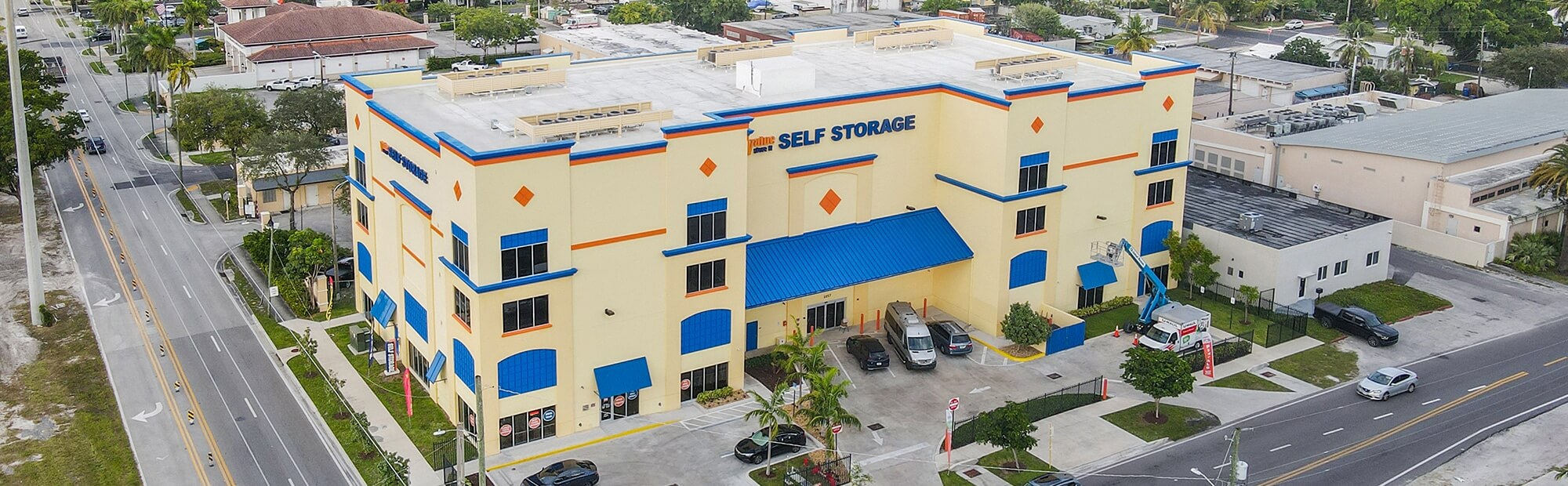
Value Store It operates two sites in the city, at Clearwater and Clearwater II, both renting month to month with no long term contract.
At the smaller end, a 5×5 unit holds beach gear, snorkelling equipment and off season clothing, and a 5×10 takes a studio's contents. A 5×15 has the length for kayaks, paddleboards and fishing gear, and a 10×5 offers a similar footprint in a different shape.
For households, a 10×10 covers a one bedroom, a 10×15 a two bedroom, a 10×20 a family home mid move, and a 10×30 the contents of a large house or a business.
The Clearwater II site carries a comparable range, with 5×5, 5×10, 10×5, 10×10, 10×15 and 10×20 units available.
In Gulf coast humidity and salt air, climate control is the decision that protects everything else, and both sites offer it at Clearwater and Clearwater II. For anything on the water there is dedicated boat storage, which matters as much for hurricane preparation as for the off season, and car storage for seasonal residents leaving a vehicle behind.
Frequently Asked Questions
What is Clearwater, Florida known for?
Clearwater is best known for Clearwater Beach, consistently ranked among the top beaches in the United States for its wide white sand shoreline and calm turquoise Gulf water. It is also known for the Clearwater Marine Aquarium, a working marine rescue and rehabilitation facility, and for the nightly Sunsets at Pier 60 festival on the beach.
What are the best free things to do in Clearwater?
The beach itself is free once you have paid for parking, and the nightly Sunsets at Pier 60 festival, with street performers and artisans around sunset, costs nothing to attend. Walking the beach promenade, Sand Key Park's beach areas and the trails at Moccasin Lake Nature Park are all free or very low cost.
Is Clearwater Beach worth visiting?
Yes. It regularly ranks at or near the top of national beach lists, and the combination of fine white sand, calm swimmable water, lifeguards and walkable amenities makes it one of the easiest good beach days in Florida. It is a resort beach rather than a secluded one, so visitors wanting quiet should try Sand Key Park or take the ferry to Caladesi Island.
How do you get to Caladesi Island from Clearwater?
Caladesi Island State Park is only accessible by boat, most commonly via the ferry that runs from neighbouring Honeymoon Island State Park, which is reachable by causeway. That limited access is exactly why the beach stays uncrowded and why it is regularly rated among the best in the country.
How many days do you need in Clearwater?
Two to three days covers it well: one for Clearwater Beach and Pier 60, one for the Marine Aquarium and a boat trip or the ferry to Caladesi Island, and a third for downtown, Sand Key or a day trip to Tampa or St. Petersburg, both of which are around half an hour away.
Planning a Visit
The Clearwater formula is simple. Go to the beach early, before the causeway and the car parks fill. Spend the middle of the day on the water or at the aquarium. Come back for the sunset festival at Pier 60, which is free and genuinely good.
If you have a third day, take the ferry to Caladesi Island. It is the best beach in the area and the one most visitors never reach.